Shopping cart

Subtotal  0

View cartCheckout

Subscribe to out newsletter today to receive latest news administrate cost effective for tactical data.

Let’s Stay In Touch

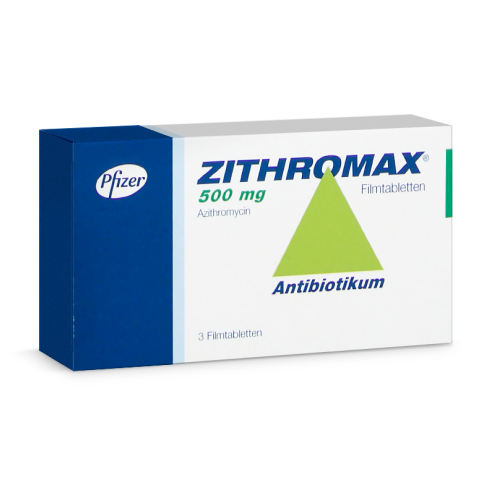
Buy Zithromax at Low Price in the United States Online

  • Home
  • Buy Zithromax at Low Price in the United States Online
  • Home/
  • Buy Zithromax at Low Price in the United States Online
Buy Zithromax at Low Price in the United States Online
This article is for informational purposes only. Medication use is only possible after consultation with a doctor. Self-medication can be dangerous and may threaten your health or life.

Zithromax (Azithromycin) in the United States: The Ultimate Guide to Safe, Effective Use

Is a Prescription Required for Zithromax in the United States?

No, you cannot legally purchase Zithromax (azithromycin) in the United States without a valid prescription from a licensed healthcare provider. This is strictly enforced by the U.S. Food and Drug Administration (FDA) and local pharmacy boards. Ordering without a prescription risks receiving counterfeit or unsafe products and may be subject to legal penalties.

Key Takeaways: Zithromax at a Glance

Parameter Details
Active Ingredient Azithromycin
Drug Class Macrolide antibiotic
Main Uses Bacterial infections (respiratory, skin, some STIs, etc.)
Prescription Status (2026) Prescription-only (Rx) in all 50 states
Onset of Action Within a few hours; clinical improvement in 24–72 hours
Typical Adult Dose 500 mg on day 1, then 250 mg daily for 4 days (varies by indication)
Absolute Contraindication History of severe allergic reaction to macrolides
Estimated Price (2026, US) $10–$70 (generic), $80–$120 (brand), for 5-day course
Main Side Effects GI upset, headache, rare cardiac arrhythmia
Alcohol Interaction Not strictly contraindicated, but not recommended
Pregnancy / Breastfeeding Consult your doctor; generally considered if benefits outweigh risks

How Does Zithromax Work in the Body?

Zithromax, known generically as azithromycin, is a macrolide antibiotic. Its main action is to inhibit the 50S ribosomal subunit of susceptible bacteria. By binding to this part of the bacterial ribosome, azithromycin blocks protein synthesis, which essentially “shuts down” the bacteria’s ability to grow and multiply. Without the ability to produce essential proteins, the bacteria die or are eliminated by the immune system.

In more technical terms: Azithromycin binds to the 23S rRNA of the 50S ribosomal subunit, preventing translocation of peptides during translation. This action is bacteriostatic (stops growth), though at high concentrations or with certain organisms, it can be bactericidal (kills bacteria directly).

Unlike some antibiotics, Zithromax is highly concentrated in tissues—especially in the lungs, tonsils, and skin—making it particularly effective for respiratory and soft tissue infections.

Metaphor: If bacteria are like a factory, Zithromax is the “power switch” that shuts off their assembly line.

  • No special trigger is needed for Zithromax to work; it begins acting once it reaches sufficient levels in your tissues.
  • It is not effective against viruses, fungi, or non-susceptible bacteria.

Citations: See References for supporting studies and FDA documentation.

Expert Commentary from doctor

In my clinical practice, the most common misunderstanding about azithromycin is the expectation of instant symptom relief. Patients often worry if they don’t feel dramatically better within the first day. The reality is that most bacterial infections respond over 24–72 hours, and in some cases, improvement is more gradual. Another frequent issue is stopping the medication early because symptoms resolve. This can lead to relapse or antibiotic resistance. I always emphasize: finish the prescribed course, even if you feel better. Also, some patients believe that because Zithromax is “milder” than other antibiotics, it may be safer to share or reuse leftover pills—this is risky and can result in undertreatment or even dangerous side effects. Always consult your provider before starting or stopping any antibiotic.

How Should Zithromax Be Taken? (Dosage & Administration)

Indication Typical Adult Dose Duration
Respiratory tract infections (e.g., bronchitis, pneumonia) 500 mg on day 1, then 250 mg once daily on days 2–5 5 days
Chlamydia (uncomplicated) 1,000 mg (1 g) single dose 1 day
Skin/soft tissue infections Same as respiratory 5 days
Strep throat (alternative) 500 mg day 1, then 250 mg days 2–5 5 days
  • Maximum daily dose: 500 mg (or as prescribed by your doctor). Never exceed unless directed by a physician.
  • Kidney/Liver impairment: Dosage adjustment is necessary. Severe liver disease is a contraindication; mild-moderate kidney disease may require monitoring.
  • Elderly patients: No specific dose adjustment, but increased monitoring for side effects like heart rhythm changes is recommended.
  • Can tablets be split? Most formulations are not scored for splitting; check with your pharmacist.
  • Pediatric use: Dosing is weight-based—always consult a pediatrician.

Peak effect: Blood levels peak 2–3 hours after oral administration. Clinical improvement may be seen within 24–72 hours, depending on infection type.

Duration of action: Zithromax has a long tissue half-life (see below), so therapeutic effects can persist even after the last dose.

Interactions with Food, Alcohol, and Lifestyle Factors

Should I take Zithromax with food?
It can be taken with or without food. However, food (especially high-fat meals) may delay absorption slightly, but not to a clinically significant extent. If you experience stomach upset, taking it with a small meal may help.
Is alcohol allowed?
No strict prohibition, but excessive alcohol may worsen stomach irritation or liver strain. Moderate alcohol (1–2 drinks) during a short course is not likely to cause harm for most adults, but caution is advised.
Can I have grapefruit juice?
Unlike some other medications, grapefruit juice is not known to interact with azithromycin’s metabolism. However, it is best to avoid large amounts, especially if taking other interacting medications.
Should I avoid dairy?
Dairy products do not significantly affect azithromycin absorption (unlike some antibiotics such as tetracyclines).
What about vitamins, herbal supplements, or antacids?
Antacids containing aluminum or magnesium can reduce absorption of Zithromax if taken at the same time. Take Zithromax at least 2 hours before or after these products.

Bottom line: Take as directed, avoid excess alcohol, and separate from antacids to ensure optimal absorption.

Compatibility Checklist: Zithromax and Other Products

Product Can You Combine? Notes / Consequences
Aspirin Yes No significant interaction
Warfarin Caution Monitor for increased bleeding risk
Oral contraceptives Yes No effect on efficacy
Statins Caution Rare risk of muscle side effects
Antacids (Mg/Al) No (simultaneously) Take Zithromax 2 hours before or after
Alcohol Not advised May worsen GI side effects
QT-prolonging medications* NO Risk of serious heart rhythm issues

*Examples: amiodarone, sotalol, certain antipsychotics, some antidepressants. Consult your provider.

Who Should Not Take Zithromax? Contraindications Explained

Absolute Contraindications (Never Use):

  • Severe allergy (anaphylaxis, angioedema) to azithromycin or other macrolide antibiotics (e.g., erythromycin, clarithromycin).
  • History of cholestatic jaundice or liver dysfunction associated with prior azithromycin use.
  • Severe liver disease (Child-Pugh class C).
  • Current use of potent drugs that prolong the QT interval (risk of fatal arrhythmia).

Relative Contraindications (Use With Caution or Medical Supervision):

  • Mild-moderate liver or kidney impairment.
  • Known prolonged QT interval or history of torsades de pointes.
  • Severe heart failure or recent myocardial infarction (heart attack) within the last 3 months.
  • Use of drugs that may interact (see compatibility table above).
  • Pregnancy and breastfeeding: Not strictly prohibited, but use only if benefits outweigh risks under provider supervision.

If unsure, always consult a healthcare provider before starting Zithromax.

What Side Effects Are Most Common with Zithromax?

Frequency Side Effect Notes / Mechanism
Very common (>1/10) Diarrhea, nausea Irritation of GI tract
Common (1/100–1/10) Abdominal pain, vomiting, headache Direct gut effect or systemic absorption
Rare (1/10,000–1/1,000) Allergic rash, liver enzyme elevation, dizziness Immune or liver response
Very rare (<1/10,000) Serious allergic reactions (anaphylaxis), Stevens-Johnson syndrome, cholestatic jaundice, torsades de pointes (fatal arrhythmia) Medical emergency
  • Gastrointestinal upset is by far the most common side effect; it is generally mild and self-limiting.
  • Serious side effects (such as arrhythmias) are rare but can be life-threatening. Promptly report palpitations, fainting, severe rash, or jaundice to your provider.
  • What to do if side effects occur? Mild: Continue and monitor; Severe: Stop medication and seek emergency care.

Common Patient Mistakes Observed by doctor

  • Stopping Zithromax early because symptoms improve: This increases risk of infection relapse and antibiotic resistance. Always finish the full course unless instructed otherwise.
  • Sharing leftover Zithromax with friends or family: Dangerous. Doses are individualized, and not all infections are appropriate for azithromycin. This may cause harm or mask more serious illnesses.
  • Taking Zithromax with antacids simultaneously: Significantly decreases absorption. Wait at least 2 hours after antacids before taking Zithromax.
  • Assuming Zithromax works for viral infections: It is not effective against the common cold, flu, or most viral illnesses. Do not pressure clinicians for antibiotics for viral symptoms.
  • Ignoring heart symptoms: People with known QT prolongation or on certain heart medicines should have an ECG and discuss risks with their physician before use.
  • Mixing with other antibiotics “just in case”: Redundant therapy can increase side effects and does not improve effectiveness.

How Does Zithromax Compare to Other Antibiotics?

Drug (Generic/Brand) Main Uses Onset Speed Course Duration Side Effects Price (2026, US$) Prescription
Azithromycin (Zithromax) Respiratory, skin, some STIs 12–24h (symptom relief) 1–5 days GI upset, rare arrhythmia $10–$70 (generic); $80–$120 (brand) Yes
Amoxicillin (Generic) Respiratory, ear, UTI, skin 24–48h 5–10 days Allergy (rash), GI upset $6–$25 Yes
Doxycycline (Generic) Respiratory, skin, STIs, tick-borne 12–24h 7–14 days Photosensitivity, GI upset, esophagitis $10–$30 Yes
  • Zithromax advantages: Short course, good tissue penetration, convenient dosing.
  • Limitations: More expensive than older generics, not first-line for all infections, cardiac risks in predisposed patients.
  • Choice depends on infection, patient allergies, cost, and local resistance patterns. Learn more about infection causes and diagnostics.

Questions Frequently Asked to doctor

Can I take Zithromax if I’m allergic to penicillin?
Yes—azithromycin is not related to penicillins. It is often used as an alternative for people with penicillin allergies. However, discuss any antibiotic allergies with your provider.
What should I do if I miss a dose?
Take the missed dose as soon as you remember. If it’s almost time for your next dose, skip the missed dose and continue as scheduled. Do not double up.
Is it safe for children or the elderly?
Yes, with dosing adjustments. Children receive weight-based doses; elderly patients may need closer monitoring for side effects, particularly those affecting the heart.
Can I take Zithromax with my other medications?
Usually yes, but some drugs—especially those affecting heart rhythm, blood thinners, or certain statins—may interact. Always provide a full medication list to your doctor or pharmacist.
How long does Zithromax stay in my body?
Azithromycin has a long half-life (about 68 hours), so it remains effective for several days after your last dose. This is why courses are short.
Can I drive or work while taking Zithromax?
Most people can continue normal activities. Rarely, dizziness or fatigue can occur—don’t drive if you feel unwell.
Is alcohol strictly forbidden?
Moderate alcohol is not strictly contraindicated, but excessive use can worsen stomach upset or liver effects. It’s safest to limit alcohol until your course is finished.

Pharmacokinetics: How Zithromax Moves Through Your Body

  • Absorption: Oral bioavailability is approximately 37%. Food may reduce the rate (not the extent) of absorption.
  • Distribution: Rapidly concentrates in tissues (especially lungs, tonsils, skin). Plasma concentrations are lower than tissue levels.
  • Metabolism: Partially metabolized in the liver (CYP3A4 pathway).
  • Elimination: Mainly via biliary/fecal route; about 6% excreted unchanged in urine.
  • Half-life: Approximately 68 hours (long tissue persistence).

Clinical impact: The long half-life allows once-daily dosing and short treatment courses. However, in those with severe liver dysfunction, drug clearance is impaired—use is not recommended.

Special Populations: What If I Have Other Health Conditions?

  • Chronic liver disease: Generally contraindicated in severe cases. Mild-moderate cases require dose adjustment and close monitoring.
  • Kidney disease: Minor renal impairment usually does not require adjustment, but advanced kidney disease may require dose change.
  • Heart conditions: Increased risk of arrhythmia (prolonged QT) in those with cardiac history or on certain meds. ECG monitoring may be advised.
  • Pregnancy: Animal studies have not shown harm, but human data is limited. Used when benefits outweigh risks. Always discuss with OB provider.
  • Breastfeeding: Azithromycin is excreted in low levels in breast milk. Most guidelines consider it compatible, but monitor infants for GI side effects.
  • Fertility: No evidence of effect on fertility in humans.
  • Driving & machinery: No direct impairment, but rare dizziness or fatigue can occur.

Original Zithromax vs. Generics: What’s the Difference?

Brand-name Zithromax (Pfizer) and FDA-approved generic azithromycin products contain the same active ingredient, strength, and meet bioequivalence standards. Generics may contain different inactive ingredients (excipients), dyes, or fillers, which rarely cause allergic reactions in sensitive individuals. Generics are typically much less expensive ($10–$70) than the brand version ($80–$120). Both require a prescription and are subject to rigorous FDA quality controls.

Advantages of generics: Lower cost, widespread insurance coverage, same therapeutic effect. Considerations: If you have allergies to dyes or fillers, notify your pharmacist.

Myth vs Reality:

  • Myth: Generics are less effective.
  • Reality: FDA-approved generics are clinically equivalent to brand-name products.

How to Spot Counterfeit Zithromax in the United States

Counterfeit antibiotics are a growing problem, especially with online “no prescription” sellers. Authentic Zithromax (Pfizer, US) comes in blister packs or bottles with clear labeling, batch numbers, and tamper-evident seals. The tablets are usually pink, oval, engraved with “Pfizer ZTM 250” or similar (check your specific dose).

  • Packaging should include FDA NDC codes and a lot number. Some may have a QR code linking to the manufacturer’s site.
  • Beware of unusual fonts, spelling errors, faded labels, or packaging in a language other than English.
  • An unusually low price (less than $10 for a full course) is a red flag.
  • Never purchase from a website that does not require a valid US prescription or lacks NABP (National Association of Boards of Pharmacy) Verified Internet Pharmacy Practice Sites (VIPPS) certification.

If in doubt, check with your pharmacist or the FDA MedWatch program.

Overdose: What to Do If You Take Too Much Zithromax

  1. Stop taking Zithromax immediately.
  2. Call 911 or your local emergency number. In the United States, emergency medical help is available 24/7.
  3. Provide critical information: Tell responders the exact dose, when it was taken, your age, weight, and health history.
  4. Do not try to “flush out” the medication with water or induce vomiting unless instructed by a medical professional.
  5. Monitor for symptoms: Severe nausea, vomiting, hearing loss, confusion, irregular heartbeat, fainting, or seizures are warning signs.
  6. Bring the medication packaging with you for identification.

Timely action can save your life or prevent permanent damage.

You’re Not Alone: Psychological Support & Next Steps

Remember, bacterial infections are common and treatable—needing antibiotics is not a sign of weakness or failure. If you feel anxious or embarrassed about your diagnosis (such as for a sexually transmitted infection), know that your healthcare provider is there to support you—not judge you. Many people benefit from discussing their condition with a partner or trusted friend, and seeking counseling can help if you’re feeling overwhelmed.

If you have questions about your symptoms or are unsure about your treatment plan, don’t hesitate to ask your provider for clarification or additional support.

Professional Opinion of doctor

As a practicing physician and medical educator, I consider azithromycin (Zithromax) an invaluable antibiotic for certain respiratory, skin, and sexually transmitted infections—especially in patients with penicillin allergies or where compliance with short courses is critical. Its broad tissue penetration and convenient dosing make it popular. However, it is not a “cure-all,” and growing antibiotic resistance means it should not be prescribed indiscriminately. In my view, Zithromax offers the best risk-benefit profile when used according to guidelines and only for confirmed or highly suspected bacterial infections. For viral illnesses, or when there is a safer, narrower-spectrum alternative, I advise against its use. Patients with pre-existing cardiac conditions, those on QT-prolonging drugs, or with severe liver disease should consider alternatives. Ultimately, every case is individual, and the decision should be made in partnership with a knowledgeable healthcare provider.

FAQ: Quick Answers About Zithromax in the United States

Is Zithromax available over the counter in the United States?
No—Zithromax is prescription-only by law.
How quickly does Zithromax start working?
Most people notice improvement within 24–48 hours, but it varies by infection type.
Can I buy Zithromax online?
Only through US-licensed telehealth or online pharmacies with a valid prescription. Avoid sites that do not require prescriptions.
What is the typical price of Zithromax in the US?
Generic courses cost $10–$70; brand-name is $80–$120. Insurance may lower your out-of-pocket cost.
Are there alternatives if I can’t tolerate azithromycin?
Yes—your doctor may suggest doxycycline, amoxicillin, or other antibiotics depending on your condition.
What should I do if I have side effects?
For mild symptoms, continue and monitor. For severe reactions (rash, jaundice, heart symptoms), stop the medication and seek immediate medical help.
Can I stop taking Zithromax if I feel better after 2 days?
No—always finish the prescribed course unless your provider tells you otherwise.
Does Zithromax treat COVID-19 or the flu?
No—There is no proven benefit for viral infections like COVID-19 or influenza.

References / Sources

  • FDA. Drug Label: Zithromax (azithromycin). [Accessed June 2026] FDA Zithromax Drug Label
  • Centers for Disease Control and Prevention (CDC). Azithromycin: Uses and Recommendations. [Accessed June 2026] CDC STD Treatment Guidelines
  • PubMed. Azithromycin: Mechanism, Effectiveness, and Safety. [Accessed June 2026] PubMed Home
  • Mayo Clinic. Azithromycin (Oral Route) Description and Brand Names. [Accessed June 2026] Mayo Clinic Azithromycin
  • American Academy of Family Physicians (AAFP). Azithromycin: Clinical Use. [Accessed June 2026] AAFP Home
  • National Association of Boards of Pharmacy (NABP). Safe Pharmacy Online Resource. [Accessed June 2026] NABP Safe.Pharmacy

Bottom line: Zithromax is a proven, effective antibiotic for many common infections—when used under medical supervision and for appropriate indications. To ensure your safety, always obtain a valid prescription and purchase only from licensed US pharmacies. If you have further questions or unusual symptoms, consult a qualified healthcare professional in your state or city.