Shopping cart

Subtotal  0

View cartCheckout

Subscribe to out newsletter today to receive latest news administrate cost effective for tactical data.

Let’s Stay In Touch

Buy Ventolin Inhaler Online in the United States Fast Delivery

  • Home
  • Buy Ventolin Inhaler Online in the United States Fast Delivery
  • Home/
  • Buy Ventolin Inhaler Online in the United States Fast Delivery
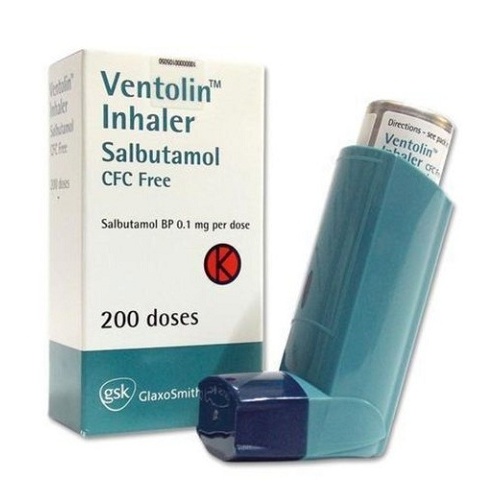
Buy Ventolin Inhaler Online in the United States Fast Delivery
Medication Name Ventolin Inhaler
Main Therapeutic Use Relief and prevention of asthma symptoms
Primary Active Substance Salbutamol (also known as Albuterol in United States)
Inhaler Strengths 90 mcg per actuation
Time Until Effect Starts Within 5 minutes for most users
Effect Duration Typically 4 to 6 hours
How Often to Use As needed for acute symptoms or before triggers
Prescription Requirement Prescription only in United States
Current Price Range in United States Approximately $30–$70 per inhaler (not including consultation or prescription cost)

Ventolin Inhaler: Essential Guidance for Asthma Relief in United States

Ventolin Inhaler is a prescription medication containing salbutamol (known as albuterol in the United States), designed to quickly relieve and prevent asthma symptoms. If you live in the United States and are considering treatment for asthma or sudden breathing difficulties, Ventolin Inhaler is a medically regulated and widely available option. Understanding when and how to use it, and whether it is right for your situation, is essential for managing asthma effectively.

Asthma: A Widespread and Manageable Challenge

Asthma is not an isolated or rare condition. According to the Centers for Disease Control and Prevention (CDC), 2022, approximately 25 million people in the United States—about 1 in 13—live with asthma. It affects both children and adults, and while it can be frightening to experience symptoms like wheezing or shortness of breath, modern treatments have made asthma a highly manageable condition for most people. Recognizing these symptoms early and understanding that effective solutions exist is a crucial first step toward regaining control.

How Ventolin Inhaler Works: From Airway Muscles to Immediate Relief

Ventolin Inhaler delivers a medicine called salbutamol, which belongs to a group of drugs known as short-acting beta-2 agonists. When you inhale a dose, salbutamol travels directly to your lungs. There, it binds to specific receptors on the muscle lining your airways. This triggers the muscles to relax almost immediately, letting the airways widen. The practical result: within minutes, breathing becomes easier, chest tightness lessens, and wheezing fades.

  • Physiological effect: Relaxes airway muscles, reversing constriction that causes asthma symptoms.
  • Patient experience: Rapid relief from symptoms—most people feel improvement within 5 minutes, with effects lasting 4–6 hours.

Because Ventolin acts quickly, it is not used to prevent symptoms over the long term but to stop them as they start, or to prevent them just before known triggers such as exercise or exposure to allergens.

Is Ventolin Inhaler the Right Choice for You? Key Situations Compared

Situation Is Ventolin Inhaler Appropriate? Reasoning
You have occasional asthma symptoms (e.g., during exercise or with allergies) Yes Ventolin is ideal for quick relief and for use before known triggers, as its action is rapid and short-lived.
Your doctor has prescribed a long-term “controller” inhaler (such as a steroid) and you need something for flare-ups Yes, as a rescue inhaler Ventolin complements preventive inhalers for breakthrough symptoms.
Asthma symptoms are frequent, and you need your inhaler several times a week Maybe, but re-evaluation needed Frequent reliance on Ventolin signals poorly controlled asthma—consult your doctor about adjusting long-term therapy.
You have severe heart problems or certain arrhythmias No Salbutamol can affect the heart’s rhythm—doctor guidance is essential; alternatives may be safer.
Children (age 4 and up) experiencing asthma symptoms Yes, with supervision Ventolin is approved for children, but dosing and technique require adult oversight.

If your symptoms do not match any of the above, or you have complex health conditions, discuss your options with a qualified healthcare provider before starting Ventolin.

How to Use Ventolin Inhaler in Real Life: Practical Considerations

  • When to use: At the onset of symptoms (wheezing, breathlessness), or 15–30 minutes before exposure to a known trigger (exercise, allergens).
  • How to administer: Exhale fully, place the mouthpiece in your mouth, start inhaling slowly, and press the canister to release one dose. Hold your breath for 10 seconds, then exhale. Repeat if a second puff is needed, as directed by your doctor.
  • With or without food: Food does not affect the action of Ventolin.
  • If you miss a dose: Ventolin is used as needed, so missing a scheduled dose is rarely an issue. Do not use extra puffs to “catch up.”
  • If relief is inadequate: If you do not feel significant improvement after two puffs, or if symptoms worsen, seek medical attention promptly.
  • Normal vs. warning signs: Mild shakiness or rapid heartbeat may occur briefly. Severe chest pain, severe breathing difficulty, or fainting are not normal—get help immediately.
  • Device care: Clean the mouthpiece weekly to prevent clogging.

Using a spacer device may help ensure the medication reaches your lungs, especially for children or those with coordination difficulties.

Who Should Not Use Ventolin Inhaler? Contraindications Explained

  • Severe allergy to salbutamol/albuterol or any inhaler component: Risk of serious allergic reaction; alternative medications required.
  • Significant heart rhythm disorders (e.g., tachyarrhythmias): Salbutamol can stimulate the heart, leading to arrhythmias or exacerbating existing heart disease.
  • Uncontrolled hypertension: The medication may modestly raise blood pressure, which could be risky if already poorly controlled.
  • History of severe hypersensitivity reactions: Doctor must review past reactions before prescribing.

If you are unsure whether these apply to you, a healthcare professional can help clarify your specific risks.

Possible Side Effects: What to Expect and When to Seek Help

  • Common and usually mild (often resolve on their own):
    • Tremor (shakiness of hands)
    • Feeling nervous or anxious
    • Headache
    • Faster heartbeat (palpitations)
    • Irritation of mouth or throat
  • Rare or serious (require a doctor):
    • Severe chest pain
    • Irregular heartbeat
    • Severe allergic reaction (rash, swelling, difficulty breathing)
  • Signs requiring emergency action:
    • Sudden difficulty speaking or blue lips/fingertips
    • Loss of consciousness
    • Severe shortness of breath unrelieved by inhaler

    If these occur, call 911 (emergency medical services, United States) without delay.

Mild side effects usually pass within a short time. If symptoms persist or worsen, consult your doctor for advice.

Drug Interactions: When Caution Is Needed

  • Beta-blockers (e.g., propranolol): These drugs counteract salbutamol’s effect, making it less effective or triggering adverse reactions.
  • Certain antidepressants (tricyclics, MAOIs): May heighten the risk of side effects such as raised blood pressure or irregular heartbeat.
  • Other asthma medications (theophylline, oral steroids): May increase risk of side effects; doctor supervision needed.

Always inform your healthcare provider about all medications and supplements you are taking before starting Ventolin Inhaler. This ensures your treatment is both safe and effective.

How Does Ventolin Inhaler Compare to Alternatives?

Medication Type Main Use Key Advantage Limitation
Ventolin Inhaler (Salbutamol/Albuterol) Short-acting beta agonist (SABA) Rapid relief of acute symptoms Works within minutes; easy to use Not a long-term controller; frequent use signals poor control
Levalbuterol Inhaler Short-acting beta agonist (SABA) Similar rapid relief May cause fewer side effects in sensitive patients More expensive; not significantly more effective for most
Fluticasone or Budesonide Inhalers Inhaled corticosteroids Long-term prevention Reduces inflammation, prevents attacks Does not provide immediate relief; must be taken daily
Combination Inhalers (e.g., Advair, Symbicort) Steroid + long-acting beta agonist Controller (long-term control) Convenient dual action for maintenance Not for acute symptoms; higher cost

Ventolin Inhaler is the gold standard for rapid symptom relief but is not a substitute for daily controller therapy in persistent asthma. If you need your rescue inhaler frequently, ask your doctor about adding or adjusting long-term medications.

What You Will Actually Pay for Ventolin Inhaler in United States

Cost item Amount Note
Doctor consultation (in-person or telemedicine) $80–$200 Varies by region, insurance coverage, and provider type
Prescription (if required separately from consultation) $0–$25 Some clinics charge a prescription fee
Ventolin Inhaler (per device, 200 doses) $30–$70 Price differences between pharmacies and insurance plans
Delivery (optional, for online pharmacy orders) $5–$25 Standard vs. express; some pharmacies offer free shipping
Total $115–$320 Minimum: telemedicine + prescription + inhaler + standard shipping;
Maximum: in-person consult + prescription + inhaler + express shipping

Insurance coverage may reduce your out-of-pocket costs, particularly for doctor visits and the inhaler itself. Some online pharmacies offer bundled packages that include an online assessment and delivery. Ventolin Inhaler is only legally available with a prescription in the United States; reputable pharmacies or telehealth providers will require this before dispensing.

Answers to Remaining Questions: Regulatory and Practical Insights

  • Is Ventolin Inhaler FDA approved? Yes, the U.S. Food and Drug Administration (FDA) has approved Ventolin Inhaler for use in asthma treatment and prevention. Only FDA-approved products should be purchased to guarantee safety and efficacy.
  • Can I buy Ventolin Inhaler without a prescription? By law, a prescription is required in the United States. Some online sources may offer to bypass this, but using them carries legal and safety risks.
  • What is the difference between Ventolin and generic albuterol? Both products contain the same active ingredient and are equally effective. Generic options may be more affordable, but always confirm the manufacturer is FDA-approved.
  • What if my inhaler is empty and symptoms begin? If you have no rescue inhaler available and asthma symptoms are severe, call 911 immediately. Do not delay seeking help.
  • How do I ensure I’m not buying a counterfeit inhaler? Use a licensed U.S. pharmacy (in person or online) and verify the product packaging and FDA approval number. Avoid unregulated sellers.

For any persistent uncertainty or complex health scenario, consult a specialist in asthma management. Your doctor can tailor recommendations to your unique circumstances, ensuring safety and the highest chance of effective control.

Sources