Shopping cart

Subtotal  0

View cartCheckout

Subscribe to out newsletter today to receive latest news administrate cost effective for tactical data.

Let’s Stay In Touch

Buy Propecia in Online Pharmacy for United States Users

  • Home
  • Buy Propecia in Online Pharmacy for United States Users
  • Home/
  • Buy Propecia in Online Pharmacy for United States Users
Buy Propecia in Online Pharmacy for United States Users
Medical Disclaimer: This article is for informational purposes only. Medication use is only possible after consultation with a licensed healthcare provider. Self-medication can be dangerous to your health and safety.

Propecia (Finasteride) in the United States: The Complete, Evidence-Based Guide (2026)

Key Takeaways: Propecia at a Glance

  • Active ingredient: Finasteride 1 mg
  • Primary use: Male pattern hair loss (androgenetic alopecia)
  • Prescription required in the United States: Yes
  • Onset of effect: Typically 3 to 6 months for visible hair regrowth
  • Most common side effect: Reduced libido (sexual desire)
  • Absolute contraindication: Use in women or children
  • Typical cost (2026): $15–$120 per month (varies by brand/generic, insurance, city)

Is a Prescription Required for Propecia in the United States?

No, you cannot legally buy Propecia (finasteride 1 mg) without a prescription in the United States. The U.S. Food and Drug Administration (FDA) classifies finasteride as a prescription-only medication due to its potential for significant side effects, teratogenicity (risk to unborn children), and need for medical monitoring.

Attempting to purchase Propecia from websites or sellers that do not require a valid prescription is illegal and exposes you to counterfeit product and health risks. Pharmacies (including legitimate online/mail-order pharmacies) must request a prescription from a licensed provider.

How Does Propecia Work? (Mechanism of Action Explained)

Propecia contains finasteride, a highly selective inhibitor of the enzyme type II 5α-reductase. This enzyme converts testosterone into dihydrotestosterone (DHT), a hormone that causes hair follicles to shrink and produce finer, shorter hair over time—a hallmark of androgenetic alopecia (male pattern baldness).

By blocking 5α-reductase, Propecia reduces DHT levels in the scalp by up to 60–70% within 24 hours of dosing. This slows or halts miniaturization of hair follicles, allowing thicker hair to regrow in many patients. The effect is dose-dependent and not immediate; consistent daily use is necessary for results.

Simple Metaphor: Imagine DHT as a “weed” that chokes out healthy hair in susceptible men. Propecia works like a selective “weed killer” that targets the DHT in your scalp, allowing hair to grow back stronger where the “soil” (follicles) is still alive.

Does it work for all causes of hair loss? No. Propecia is only established as effective for male pattern hair loss, not for hair loss due to nutritional deficiencies, autoimmune conditions (like alopecia areata), or scarring alopecias.

Evidence: Recent meta-analyses and randomized controlled trials (RCTs) confirm clinically significant regrowth in 60–84% of men using finasteride 1 mg daily for 12 months (see references).

Expert Commentary from doctor

In my practice, I often see patients confused by what Propecia can and cannot do. Many expect instant regrowth, but it usually takes at least 3–6 months of consistent daily use before any visible changes appear. The earlier treatment is started after noticing hair thinning, the better the results tend to be—once a hair follicle is lost, it usually cannot be revived. I always remind patients: stopping Propecia leads to gradual reversal of benefits over several months. It’s not a permanent cure, but a maintenance therapy. Also, never share this medication, especially with women of childbearing age, due to severe risks to fetal development. Monitoring for side effects, especially mood or sexual changes, is crucial during follow-up visits.

How Should I Take Propecia? (Dosage, Timing, and Duration)

Standard dose:
1 mg finasteride tablet taken once daily, at the same time each day (with or without food).
Peak effect:
Reduction in scalp DHT occurs within 24 hours, but visible hair regrowth may require 3–6 months of continuous therapy.
Maximum daily dose:
Do not exceed 1 mg per day for hair loss; higher doses are not more effective for alopecia and may increase risk of side effects.
Tablet splitting:
Propecia 1 mg tablets are not scored and are not intended to be split or crushed. Avoid handling broken tablets, especially by pregnant women, due to risk of absorption.
Special populations:
  • Elderly: No routine dose adjustment, but discuss with your doctor if over 65 years.
  • Renal impairment: Mild to moderate kidney disease does not generally require dose adjustment, but consult your provider.
  • Hepatic impairment: Not specifically studied; use cautiously and consult your physician.
Duration of therapy:
Continue as long as desired benefit is maintained. Discontinuation typically leads to reversal of effects within 6–12 months.

Can I Take Propecia with Food, Alcohol, or Other Products?

Factor Interaction Comment
Food No significant effect Take with or without food; high-fat meals do not delay absorption
Alcohol Generally compatible Moderate alcohol intake does not affect efficacy or safety; excessive drinking may worsen side effects such as mood changes
Grapefruit juice No significant interaction Unlike some medications, finasteride metabolism is not affected by grapefruit
Other medications See compatibility table below Always check with your doctor before starting new medications

Bottom line: You do not need to adjust your diet or avoid moderate alcohol while taking Propecia, but always disclose all supplements and medications to your provider.

Who Should Not Take Propecia? Contraindications and Red Flags

Type Contraindication Why?
Absolute Women (especially pregnant or of childbearing potential) Risk of birth defects (male fetus external genitalia)
Absolute Children and adolescents Safety and efficacy not established
Absolute Allergy to finasteride or tablet ingredients Risk of severe allergic reaction
Relative Liver disease Finasteride is metabolized by the liver; use with caution
Relative History of depression or sexual dysfunction May exacerbate these issues; close monitoring needed
Relative Prostate cancer screening Finasteride lowers PSA; may mask prostate cancer; inform your healthcare provider

Always inform your doctor about all health conditions, allergies, and medications before starting Propecia. Screening for prostate cancer (PSA blood test) may need to be adjusted if you take finasteride, as it artificially lowers PSA readings.

Myth vs Reality:
Myth: “Propecia is safe for women with hair loss.”
Reality: Propecia is absolutely contraindicated in women, except in rare off-label cases and never during pregnancy.

What Side Effects are Most Common with Propecia?

Frequency Side Effect Mechanism/Comment What to Do
Very common
(>1 in 10)
Reduced libido Lower DHT affects sex drive Discuss with doctor if persistent
Common
(1 in 100 to 1 in 10)
Erectile dysfunction DHT modulates sexual function Often reversible on stopping; consult doctor
Common Decreased ejaculate volume DHT reduction affects seminal glands Usually not dangerous
Rare
(1 in 1,000)
Gynecomastia (breast tenderness/swelling) Hormonal imbalance Stop medication and contact provider
Rare Mood changes, depression Unknown (possible hormonal/neurosteroid shift) Seek prompt medical help
Very rare
(<1 in 10,000)
Allergic reactions (rash, swelling, hives) Immune response to drug or excipients Emergency: stop and seek treatment
Very rare Male infertility (temporary) Altered sperm parameters in some cases Discuss fertility plans with provider

Important: Most sexual side effects resolve after discontinuing Propecia, but in rare cases, may persist (so-called “post-finasteride syndrome”). Report any mood symptoms or sexual dysfunction to your prescriber promptly. There is no current evidence that Propecia causes cancer, but ongoing studies are monitoring long-term safety.

Common Patient Mistakes Observed by doctor

  • Stopping prematurely: Many patients stop after 2–3 months due to lack of immediate results. Tip: Continue for at least 6–12 months, as hair regrowth takes time.
  • Taking inconsistent doses: Skipping days or doubling up after missed doses reduces efficacy. Tip: Take at the same time every day; if you miss a dose, do not double up.
  • Sharing medication: Giving Propecia to a partner or friend, especially a woman, can be dangerous. Tip: Keep your medication in a secure location.
  • Not reporting side effects: Some tolerate side effects, hoping they’ll go away. Tip: Always report persistent issues; early intervention can prevent complications.
  • Ordering from unverified websites: Buying without prescription increases risk of counterfeit or substandard product. Tip: Use licensed U.S. pharmacies only.
  • Misunderstanding prostate cancer screening: Not informing your provider about Propecia use can lead to misinterpretation of PSA results. Tip: Always mention finasteride use to any clinician ordering prostate tests.

Propecia vs Other Hair Loss Treatments: Comparison Table (2026 U.S. Data)

Medication Active Ingredient Onset of Effect Most Common Side Effect Prescription Needed? Typical Cost (USD/month)
Propecia Finasteride 1 mg 3–6 months Reduced libido Yes $15–$120
Minoxidil (Rogaine) Minoxidil 5% topical 4–6 months Scalp irritation No $12–$45
Dutasteride (off-label) Dutasteride 0.5 mg 3–6 months Sexual dysfunction Yes $25–$130
Hair Transplant (procedure) Immediate, but full results in 6–12 months Surgical risks Consult required $4,000–$15,000 (one-time)

Bottom line: Propecia is most effective for men with early-to-moderate pattern hair loss, while minoxidil is available without a prescription and is often combined with oral therapy. Dutasteride may be considered off-label for those who do not respond to finasteride, but with higher risks. Hair transplantation is an option for advanced cases or those not responding to medication.

Questions Frequently Asked to doctor

Can I use Propecia if I have a family history of prostate cancer?
Finasteride lowers PSA (prostate-specific antigen) levels, which can mask early signs of prostate cancer on screening tests. If you have a family history of prostate cancer, discuss risks and benefits carefully. Your provider may adjust how PSA tests are interpreted.
What should I do if I miss a dose?
Take your next dose at the usual time. Do not double up to make up for a missed dose; this does not improve results and may increase risk of side effects.
Is it safe to drink alcohol while on Propecia?
Moderate alcohol use is generally safe with Propecia. However, excessive drinking may worsen mood symptoms or sexual side effects in sensitive individuals.
Will Propecia affect my chances of having children?
In most healthy men, Propecia does not cause infertility. Rarely, it can temporarily reduce sperm count or quality. If you plan to conceive, discuss timing and possible risks with your doctor.
How long do I need to take Propecia for hair loss?
Treatment is ongoing: you need to take it as long as you want to maintain benefits. If you stop, you will likely lose any hair gained within 6–12 months.
Is there an age limit for starting Propecia?
Propecia is FDA-approved for men aged 18 and older. There is limited data in men over 65; discuss with your provider if you are older and weigh risks carefully.
Can I use Propecia and topical minoxidil together?
Yes, combination therapy is common and often more effective than either alone. Monitor for side effects from both treatments.

Key Characteristics of Propecia: Quick Reference Table

Parameter Value
Active ingredient Finasteride
Tablet strength 1 mg
Form Film-coated tablet
Route of administration Oral
Onset of effect 3–6 months for visible results
Half-life ~5–6 hours (healthy adults)
Metabolism Liver (CYP3A4 pathway)
Elimination Urine and feces
Pregnancy category X (contraindicated)
Prescription required Yes (United States)

How to Legally Obtain Propecia in the United States: Step-by-Step

  1. Consult a healthcare provider: Book an appointment with a primary care doctor, dermatologist, or a certified telemedicine provider. Many U.S. cities (e.g., New York, Los Angeles, Chicago, Houston) have specialists in hair loss.
  2. Assessment and diagnosis: The doctor will evaluate your hair loss, rule out other causes, and check for contraindications.
  3. Prescription issued: If appropriate, the provider writes an electronic prescription (e-prescription).
  4. Fulfillment at a pharmacy: Take your prescription to a licensed U.S. pharmacy (retail or mail-order). Telehealth providers can send prescriptions directly to your chosen pharmacy.
  5. Insurance and payment: Some insurance plans may cover generics, especially for prostate conditions, but hair loss may be considered cosmetic. Check your plan for coverage or use a prescription discount card.
  6. Follow-up: Schedule a follow-up after 3–6 months to monitor effects and side effects.

Tip: Many U.S. telemedicine platforms are now licensed to prescribe Propecia in most states. Always ensure the provider is board-certified and the pharmacy is state-licensed.

Is it Legal to Buy Propecia Online in the United States?

Only if you have a valid prescription and purchase from a licensed U.S. pharmacy. The FDA strictly regulates online pharmacies. Look for certification by the National Association of Boards of Pharmacy (NABP) (look for the “.pharmacy” domain or NABP Seal).

  • Never purchase from sites that do not require a prescription or offer “no-prescription” products. These are often counterfeit or substandard and may be seized by U.S. Customs.
  • Licensed telemedicine services (e.g., Roman, Keeps, Hims) operate legally within state and federal law, providing genuine U.S.-approved products with proper oversight.
  • Prescription is a form of patient protection, ensuring you receive safe, effective, and authentic medication tailored to your health needs.

How to Identify Genuine Propecia and Avoid Counterfeits

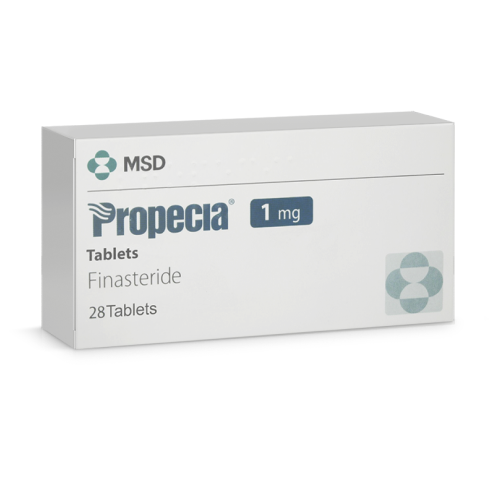
Original Propecia packaging (as of 2026):

  • Sold in branded blisters with “Propecia” and “finasteride” clearly printed.
  • Each tablet: film-coated, tan, marked with “P” and “PROPECIA” on one side.
  • Box includes manufacturer details (usually Merck & Co.), U.S. NDC code, and tamper-proof seals.
  • Some U.S. pharmacies may include QR codes or holograms for verification.
  • Price significantly lower than market average often indicates a counterfeit or imported generic.
Generics: FDA-approved generics (labeled “finasteride 1 mg”) must declare manufacturer, have unique tablet markings, and be dispensed in pharmacy-branded or manufacturer-labeled bottles.

If you are unsure, ask your pharmacist to verify the product using the FDA’s NDC directory or report suspected counterfeits to the FDA MedWatch program.

Propecia in Your Body: Metabolism, Elimination, and Special Populations

Absorption: Rapidly absorbed after oral dosing; peak blood levels at ~1–2 hours.

Metabolism: Primarily processed in the liver via the cytochrome P450 3A4 pathway.

Elimination: ~39% urine, ~57% feces. Elimination half-life is 5–6 hours in adults (may be longer in elderly).

Kidney Disease: Not significantly affected by mild to moderate renal impairment.

Liver Disease: Use caution; not well studied in severe impairment.

Driving/Operating Machinery: No evidence of impairment at recommended doses.

Fertility: Rare, reversible effects on sperm count/quality; discuss with your provider if planning a family.

Original Propecia vs Generics: What’s the Difference?

  • Original: “Propecia” (Merck & Co.) with full FDA approval for male pattern hair loss.
  • Generics: Labeled as “finasteride 1 mg,” made by various FDA-licensed manufacturers, identical in active ingredient, dose, and efficacy.
  • Excipients (inactive ingredients): May vary—rare risk of allergic reaction if you are sensitive to dyes or fillers. Ask your pharmacy for a list if you have allergies.
  • Price: Generics are typically less expensive, often $15–$40 per month vs $80–$120 for brand-name.

Bottom line: For most patients, generics work identically to the brand-name, but always confirm FDA approval and consult your doctor if switching formulations.

Compatibility Check: Propecia and Other Common Medications

Medication/Product Can it be combined? Potential Consequences/Comments
Aspirin Yes No significant interaction
Statins (cholesterol meds) Yes No known interaction
SSRIs (antidepressants) Yes (with caution) Monitor for mood changes; theoretical risk of additive sexual side effects
Nitrates (angina meds) Yes No direct interaction
Testosterone supplements Avoid (unless directed) May counteract Propecia’s effect by increasing DHT
Herbal hair loss supplements Yes (with caution) Risk of unknown interactions; disclose to your provider
Alcohol Yes (moderate) Excessive use may worsen side effects

Managing Hair Loss: Psychological and Practical Support

Hair loss is extremely common and can be distressing. You are not alone—millions of men in the United States seek help every year. It’s normal to feel self-conscious, frustrated, or anxious about thinning hair.

Consider speaking with a trusted partner, mental health professional, or support group if hair loss significantly impacts your mood or confidence. Effective therapy often combines medical treatment with self-acceptance and lifestyle adjustments.

What to Do in Case of Overdose: Emergency Steps

  1. Stop taking Propecia immediately.
  2. Call Poison Control: 1-800-222-1222 (United States) or seek emergency care.
  3. Provide details: Inform the medical professional about the medication, dose, and time taken.
  4. Do not induce vomiting unless instructed by a health professional.
  5. Monitor for symptoms: Unlikely to cause life-threatening effects, but seek care for allergic reactions, severe side effects, or if a child or pregnant woman was exposed.

What Should I Do if Propecia Does Not Work?

  • Confirm diagnosis: Other causes of hair loss (e.g., iron deficiency, thyroid disease, autoimmune disorders) will not respond to Propecia.
  • Review adherence: Ensure daily use for at least 6–12 months before judging effectiveness.
  • Combination therapy: Adding topical minoxidil may improve results for resistant cases.
  • Consult a hair loss specialist: Board-certified dermatologists can offer alternative therapies, including other medications, PRP, or hair transplantation.

Professional Opinion of doctor

In my experience as a U.S.-based physician, Propecia is most effective for healthy men experiencing early signs of male pattern baldness—those who still have visible hair on the affected areas, not just shiny scalp. The medication works best when started soon after hair thinning begins, ideally before significant follicle loss occurs. I always emphasize to patients that Propecia is maintenance therapy: results are not permanent and continued use is required. The benefit-risk profile is generally favorable for most men, but I carefully screen for mood disorders, sexual health concerns, and reproductive plans before prescribing. For men with advanced baldness, alternative measures like hair transplantation or cosmetic approaches may be more suitable. Propecia is not a magic bullet, but for the right patient, it can make a real difference—provided expectations are realistic and side effects are monitored closely. Always consult a licensed healthcare provider for individualized guidance.

Frequently Asked Questions (FAQ)

Can Propecia be used daily?
Yes, Propecia should be taken once daily at the same time each day for best results.
Is Propecia covered by insurance in the United States?
Coverage varies: for hair loss (cosmetic use), most plans do not cover it; for prostate conditions, some plans may. Check with your insurer.
Can women use Propecia?
No, Propecia is contraindicated in women, especially if pregnant or may become pregnant, due to risk of birth defects.
How soon will I see results from Propecia?
Most users see visible improvement after 3–6 months of daily use, with maximum benefit at 12 months.
Are there long-term risks of using Propecia?
Long-term safety is generally good, but rare persistent sexual or mood side effects may occur; ongoing medical monitoring is advised.
Can I get Propecia without a prescription in the U.S.?
No, it is illegal and unsafe to obtain Propecia without a prescription in the United States.
What is the difference between Propecia and generic finasteride?
Both contain the same active ingredient and are equally effective; generics are usually less expensive.
What should I do if I experience side effects?
Contact your healthcare provider promptly to discuss whether to adjust or discontinue the medication.
Can I combine Propecia and minoxidil?
Yes, combination therapy is common and may improve outcomes.
Where can I find a reputable hair loss specialist in the United States?
Start by consulting a board-certified dermatologist through the American Academy of Dermatology directory.

References

  1. U.S. Food and Drug Administration (FDA): Finasteride Drug Information
  2. American Academy of Dermatology: Male Pattern Hair Loss Overview
  3. Mayo Clinic: Finasteride (Oral Route)
  4. Swiglo BA, et al. “Clinical Review: Antiandrogens for the treatment of hirsutism: a systematic review and meta-analyses of randomized controlled trials.” PubMed
  5. Rossi A, et al. “Finasteride for androgenetic alopecia: a review.” PubMed
  6. ClinicalTrials.gov: Finasteride for Androgenetic Alopecia
  7. National Association of Boards of Pharmacy (NABP): NABP Homepage
  8. FDA MedWatch: Adverse Event Reporting
  9. American Hair Loss Association: Hair Loss Information
  10. U.S. National Library of Medicine: DailyMed: Propecia