


Shopping cart

Subtotal  0

View cartCheckout

Subscribe to out newsletter today to receive latest news administrate cost effective for tactical data.

Let’s Stay In Touch

Buy Priligy Without Prescription in the United States Online

  • Home
  • Buy Priligy Without Prescription in the United States Online
  • Home/
  • Buy Priligy Without Prescription in the United States Online
Buy Priligy Without Prescription in the United States Online
Medical Disclaimer: This article is for informational purposes only. The use of any medication, including Priligy (dapoxetine), should only occur under the supervision of a licensed healthcare provider. Self-medication is dangerous and may result in serious health consequences. Always consult a qualified medical professional in the United States before starting or changing any therapy.

Priligy (Dapoxetine) for Premature Ejaculation in United States: Safe Use, Regulations, and Clinical Guidance

Direct Answer: Do I Need a Prescription for Priligy in United States?

Yes, Priligy (dapoxetine) is a prescription-only medication in the United States. You cannot legally purchase Priligy without a prescription from a licensed healthcare provider. Buying Priligy without a prescription — especially from unverified sources — is illegal and puts you at risk of counterfeit products, unsafe use, and legal consequences.

Key Takeaways: Priligy (Dapoxetine) for Premature Ejaculation

Parameter Details (2026)
Active Ingredient Dapoxetine
Main Use Premature Ejaculation (PE) in adult men
Prescription Status (U.S.) Prescription required
Onset of Action 30–60 minutes after oral intake
Duration of Effect Up to 2–3 hours
Common Side Effects Nausea, dizziness, headache
Contraindications Heart conditions, SSRIs/MAOIs use, severe liver impairment
Official Regulatory Body FDA

How Does Priligy (Dapoxetine) Work in the Body?

Priligy contains dapoxetine, a selective serotonin reuptake inhibitor (SSRI) approved specifically for premature ejaculation (PE). Dapoxetine works by inhibiting the reuptake of serotonin in the synaptic cleft between nerve cells. This increases serotonin levels in the brain, which has been shown to delay ejaculation.

  • Target: Serotonin transporter (SERT) protein in the central nervous system.
  • Action: Inhibits reuptake of serotonin, increasing its availability for neurotransmission.
  • Effect: Delays ejaculation reflex via modulation of central nervous system pathways.

Simplified Metaphor: Imagine serotonin as a “brake pedal” for ejaculation. Priligy boosts the power of this brake, helping men last longer during sexual activity.

Dapoxetine is unique among SSRIs because it is fast-acting: blood levels peak within 1–2 hours, and it is rapidly cleared from the body (half-life: 1–1.5 hours). This means you take it only “on demand,” not daily.

Note: Priligy requires sexual stimulation to be effective. It does not cause an erection, nor does it affect libido.

Clinical Evidence: Multiple randomized controlled trials have shown a statistically significant increase in intravaginal ejaculatory latency time (IELT) compared to placebo, with improvements reported in approximately 60–80% of participants [PubMed].

Myth vs Reality:
Myth: Priligy instantly solves all premature ejaculation problems.
Reality: Priligy is effective for many men, but not all. It addresses symptoms, not underlying causes such as anxiety or relationship factors.

Expert Commentary from doctor

In my clinical experience, many men are surprised to learn that Priligy is not a “magic bullet” and must be timed appropriately before intercourse. One frequent issue is misunderstanding its purpose: it is not an aphrodisiac nor a therapy for erectile dysfunction. I often see patients expecting a stronger effect than clinically possible. It’s important to recognize that Priligy works best for men with truly rapid ejaculation (under two minutes), and is less helpful if psychological factors are the main problem. Some patients also stop after a single side effect or don’t give the medication a fair trial—remember, it can take a few attempts to optimize timing and minimize unwanted effects. Always discuss realistic expectations and possible alternatives with your provider.

What is the Correct Dosage for Priligy and How Should It Be Taken?

  • Standard Starting Dose: 30 mg taken 1–3 hours before anticipated sexual activity.
  • Maximum Dose: 60 mg per occasion (only if 30 mg was well tolerated, and further benefit is needed).
  • Frequency: No more than once per 24 hours.
  • Administration: Swallow whole with at least one full glass of water. Do not break or crush the tablet.
  • Food: Can be taken with or without food (see food interaction details below).

Important: Do not exceed 60 mg in 24 hours. Exceeding the maximum dose increases the risk of severe side effects, including fainting and serotonin syndrome.

Special Populations:

Aged 65 or older: Not recommended due to limited efficacy and increased risk of side effects.

Renal impairment: Use with caution in mild/moderate cases; not recommended in severe impairment.

Hepatic (liver) impairment: Contraindicated in moderate or severe impairment.

Does Food or Alcohol Affect the Effectiveness of Priligy?

Food:
Taking Priligy with or without food does not significantly change its effectiveness. However, a high-fat meal may delay absorption slightly — the difference is typically not clinically significant.
Alcohol:
Strongly discouraged. Alcohol increases the risk of dizziness, fainting, and impaired judgment. Combining Priligy and alcohol may lead to accidents or injuries due to additive effects on blood pressure and alertness.

Bottom line: Avoid alcohol within 24 hours before and after using Priligy.
Grapefruit Juice:
Not directly contraindicated, but grapefruit juice can affect the enzymes that metabolize many drugs. As a precaution, avoid large quantities on the day of Priligy use.
Quick Insight: Many adverse reactions reported to the FDA with Priligy involve combining it with alcohol. Staying hydrated and skipping drinks on the day of use can help prevent complications.

Who Should NOT Use Priligy? Red Flags and Contraindications

Absolute Contraindications Relative Contraindications (Caution Advised)
  • Hypersensitivity to dapoxetine or excipients
  • Concomitant use of MAOIs, SSRIs, SNRIs, tricyclic antidepressants
  • Significant heart disease (e.g., heart failure, conduction disorders, ischemic disease)
  • History of syncope (fainting)
  • Severe hepatic impairment
  • Mild to moderate kidney impairment
  • Alcohol or recreational drug use
  • Unstable psychiatric conditions
  • Other medications affecting serotonin
  • Age over 65 years
  • Use of CYP3A4 inhibitors (e.g., ketoconazole)

Why? Risk of serotonin syndrome, cardiac arrhythmia, severe hypotension, and increased side effects. After a heart attack or major cardiac event, use is contraindicated unless your cardiologist gives explicit clearance.

Never combine Priligy with: Nitrates (risk of dangerous blood pressure drop), antipsychotics, linezolid, lithium, or St. John’s Wort.

Red Flag: If you are on any psychiatric medication or have a family history of mania, inform your doctor immediately before considering Priligy.

What Side Effects Are Most Common With Priligy?

Frequency Adverse Effect Mechanism / Notes
Very Common (>10%) Nausea Serotonin effect on gut neurons
Common (1–10%) Dizziness, headache, diarrhea, insomnia, fatigue Central nervous system & fluid shifts
Uncommon (0.1–1%) Fainting (syncope), anxiety, blurred vision Rapid drop in blood pressure or CNS effect
Rare (<0.1%) Serotonin syndrome, seizures, arrhythmias Usually with overdose or interactions

What to Do if Side Effects Occur:

  • Mild: Rest, hydrate, and avoid operating machinery or driving.
  • Severe (fainting, chest pain, confusion): Seek emergency medical attention immediately.
Quick tip: Most side effects are dose-dependent and subside within a few hours. If problems persist, ask your provider about dose reduction or alternative therapies.

Compatibility Check: Priligy With Other Medications

Medication/Product Can Be Combined? Consequences
Aspirin / NSAIDs Yes (generally safe) No significant interaction
Nitroglycerin / Nitrates STRICTLY NO Life-threatening drop in blood pressure
SSRIs, SNRIs, Antidepressants No Serotonin syndrome risk
Alcohol Not recommended Increased sedation, fainting risk
PDE5 inhibitors (e.g., sildenafil/Viagra) Caution Additive side effects (dizziness, hypotension)
St. John’s Wort No Serotonin syndrome, reduced effectiveness
Antibiotics (e.g., amoxicillin) Usually safe No major interaction

Common Patient Mistakes Observed by doctor

  1. Taking Priligy with alcohol or recreational drugs.
    Why this is a problem: Increases the risk of fainting, accidents, and unpredictable side effects.
    How to avoid: Abstain from alcohol/recreational substances on the day of use.
  2. Ignoring absolute contraindications.
    Why this is a problem: Can cause life-threatening heart or psychiatric complications.
    How to avoid: Review your full medication list and health conditions with your provider before starting.
  3. Taking more than one dose in 24 hours.
    Why this is a problem: Overdose dramatically increases risk of serotonin syndrome and severe side effects.
    How to avoid: Never exceed the prescribed dose or frequency.
  4. Expecting instant or dramatic results after the first use.
    Why this is a problem: May lead to frustration and discontinuation before full benefit is realized.
    How to avoid: Allow for 2–3 attempts to optimize timing/dosage.
  5. Ordering Priligy from unverified online sources.
    Why this is a problem: High risk of counterfeit or contaminated products.
    How to avoid: Only use licensed pharmacies with a valid prescription.

Comparison: Priligy vs Other Treatments for Premature Ejaculation

Drug/Therapy Main Ingredient Onset Duration Side Effects Typical Price (USD, 2026) Rx Required Notes
Priligy Dapoxetine 30–60 mg ~1 hour 2–3 hours Nausea, dizziness, headache $40–$70 per tablet* Yes On-demand use; fast onset
Paroxetine (off-label) Paroxetine 10–20 mg Several days (daily) Continuous Sexual dysfunction, drowsiness, weight gain $5–$10 per tablet (generic) Yes Used daily; more side effects
Behavioral Therapy N/A As long as maintained None physical $70–$200 per session No Addresses psychological causes
Lidocaine-prilocaine spray Topical anesthetic 5–15 min 30–60 min Numbness, partner transfer $20–$50 per spray No (OTC in some states) Local use; less systemic effect

*Prices for Priligy reflect U.S. market averages; insurance coverage is uncommon for PE, but check with your provider.

Questions Frequently Asked to doctor

Can I take Priligy if I am already on antidepressants?
No. Combining Priligy with SSRIs, SNRIs, MAOIs, or other serotonergic antidepressants increases the risk of serotonin syndrome, which can be life-threatening. Always disclose all medications to your provider.
If I miss my planned dose, should I double up?
Never take a double dose of Priligy. If you forget, simply wait until the next anticipated sexual activity and take the standard dose at that time.
Is it safe to use Priligy long-term?
Long-term safety data are available up to 12 months. Some men use it as needed for years, but regular follow-up is advised to monitor side effects and effectiveness.
Can I drive after taking Priligy?
Caution is essential. Dizziness and fainting have been reported, especially with the first doses. Avoid driving or operating machinery until you know how you react.
Can older men (over 65) use Priligy?
Use is generally not recommended for men over 65 due to limited data and a higher risk of side effects. Discuss alternatives with your healthcare provider.
What if I accidentally take more than one dose?
Stop use immediately and contact emergency services or your provider. Bring the packaging and information about the dose taken with you.
Is there a risk of dependence or withdrawal?
Priligy is not habit-forming when used as directed. It does not cause withdrawal symptoms upon discontinuation.

Main Characteristics Table: Priligy (Dapoxetine) at a Glance

Parameter Value
Active Ingredient Dapoxetine hydrochloride
Usual Dose 30 mg (can increase to 60 mg if needed)
Formulation Film-coated oral tablet
Time to Peak 1–2 hours
Half-life (T1/2) 1–1.5 hours
How Supplied Blister packs of 3, 6, 12 tablets
FDA Approval Status Not officially FDA-approved as of 2026 for PE (off-label or imported use only)
Cost (2026) $40–$70/tablet

How to Obtain Priligy Legally in United States: Step-by-Step Guide

  1. Consult a Licensed Healthcare Provider.
    This can be your primary care doctor, urologist, or a specialist in men’s health. Increasingly, telehealth platforms (such as those licensed in California, New York, or Texas) offer virtual visits.
  2. Undergo Assessment.
    Expect a thorough history, symptom questionnaire (to confirm PE), and possibly screening for underlying health conditions or psychological factors.
  3. Get a Prescription.
    If appropriate, your provider will issue a prescription for Priligy (dapoxetine). This may be an electronic prescription (eRx) or paper Rx, valid at U.S. pharmacies.
  4. Fill Prescription at a Licensed Pharmacy.
    Bring your prescription to a local or reputable online pharmacy that is accredited (look for the NABP Digital Pharmacy Accreditation or state board seals).
  5. Follow Up.
    Schedule a follow-up with your provider to monitor effectiveness and side effects. Never share your medication with others.
Note: In some states, telehealth services can send your prescription directly to a local pharmacy for pickup or mail-order delivery.

How to Spot Counterfeit Priligy in United States: Quality Check

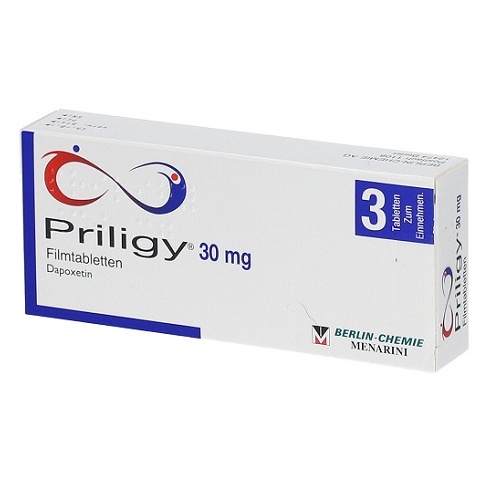
Original Priligy packaging (U.S. market or international import):

  • Blister pack with manufacturer’s logo (A. Menarini, Berlin-Chemie, or Janssen)
  • Tablet is round, film-coated, pale gray with “30” or “60” engraved on one side
  • Box includes QR code or hologram sticker for authenticity (scan for verification)
  • Printed patient leaflet in English, with batch number and expiry date matching the box

Warning signs of counterfeits:

  • Unusually low price (“too good to be true”)
  • No prescription required
  • Misspelled packaging, blurry or off-color print
  • Missing QR code, hologram, or batch information

If in doubt, compare your product to images on the official manufacturer’s website or ask your pharmacist.

Tip: Report suspicious products to the FDA’s MedWatch program.

Original vs Generic Priligy: Understanding Your Options

Since dapoxetine’s patent expired in recent years, several FDA-inspected manufacturers now offer generics in the U.S. and globally. Generics contain the same active ingredient, but may differ in excipients (inactive ingredients, such as binders or coloring agents).

  • Original: Manufactured by the brand holder (e.g., Menarini, Janssen). Typically higher cost, with branded packaging and strict quality controls.
  • Generic: Produced by various pharmaceutical companies, generally 20–40% less expensive. Must meet strict FDA bioequivalence standards.

Possible issues: Rarely, patients may react to an excipient in a generic (e.g., lactose intolerance, food dyes).

Bottom line: For most users, generics are equally effective and safe. Ask your provider or pharmacist if you have a known allergy to any inactive ingredients.

Pharmacokinetics: How Is Priligy Processed by the Body?

  • Absorption: Rapid, peak blood levels in 1–2 hours after oral intake.
  • Metabolism: Primarily by liver enzymes (CYP3A4, CYP2D6). Dose adjustment may be needed for certain genetic variants or hepatic impairment.
  • Elimination: Mostly via urine (renal excretion)—approx. 80% as inactive metabolites.
  • Half-life: ~1–1.5 hours (short, compared to traditional SSRIs).

Why this matters: Because Priligy is cleared quickly, the risk of long-term side effects or drug accumulation is low. However, those with kidney or liver disease may experience higher blood levels and increased risk of adverse effects.

Special Populations: Who Should Be Extra Careful With Priligy?

  • Elderly (over 65): Not recommended due to increased side effect risk and lack of efficacy data.
  • Renal impairment: Mild to moderate: caution advised; severe: contraindicated.
  • Liver impairment: Contraindicated in moderate-severe cases.
  • Certain genetic variations: Poor CYP2D6 metabolizers may need lower doses.
  • Psychiatric disorders (depression, mania, schizophrenia): Use only after psychiatrist consultation.
  • Fertility: No evidence that Priligy affects fertility or sperm quality.
  • Women and minors: Not indicated, safety and efficacy not established.
  • Driving and machinery: Avoid until you know your individual response to the drug.

What To Do If You Overdose on Priligy: United States Protocol

  1. Stop taking Priligy immediately.
  2. Call Poison Control at 1-800-222-1222 or 911 if you experience severe symptoms (loss of consciousness, seizures, chest pain).
  3. Provide all relevant information (dose, timing, other medications, packaging) to emergency personnel.
  4. Do not induce vomiting unless directed by professionals.
  5. Stay with someone who can monitor your condition until help arrives.
Quick action saves lives: Severe overdose may cause seizures, cardiac arrhythmia, or loss of consciousness. Rapid intervention improves outcomes.

If Priligy Does Not Work: What Next?

Not all users will respond to Priligy, especially if premature ejaculation is secondary to psychological stress, relationship issues, or other medical conditions.

  • Discuss with your provider whether the diagnosis is accurate (e.g., is it truly PE or another condition?).
  • Consider behavioral therapies, sexual counseling, or alternative medications.
  • Other options include topical anesthetic sprays/creams, off-label daily SSRIs, or addressing underlying anxiety.
  • Don’t give up after one or two unsuccessful attempts—timing and dose adjustments can make a difference.

In short: Priligy is most effective as part of a broader strategy that may also include non-drug interventions.

Emotional Support and Psychological Aspects

Premature ejaculation is one of the most common male sexual concerns in the United States—affecting up to 1 in 5 men at some point. You are not alone, and effective help exists. Many cases have a psychological component, such as anxiety or relationship stress. Open communication with your partner and a healthcare professional can make a significant difference.

Consider seeking therapy or counseling if you suspect performance anxiety, depression, or persistent relationship issues may contribute to your symptoms.

Professional Opinion of doctor

As a specialist in men’s sexual health, I see Priligy as an important tool for men suffering from premature ejaculation—particularly those for whom behavioral or psychological interventions have not been fully effective. Its fast onset and short duration make it uniquely suited to “as needed” use, with fewer long-term side effects compared to daily SSRIs. However, it’s not a one-size-fits-all solution. Men with certain heart or psychiatric conditions, or those on serotonergic medications, must avoid it due to significant risks. In many cases, combination approaches (psychotherapy, communication training, or physical therapy) provide the best results. While Priligy is well-tolerated by most men, its cost and prescription requirements are barriers for some. Ultimately, the best outcomes occur when medication is part of a comprehensive, individualized care plan rather than a “quick fix.”

FAQ: Priligy in United States

Can Priligy be purchased without a prescription in the United States?
No, it is illegal to obtain Priligy without a valid prescription from a licensed healthcare provider in the United States.
How long does Priligy take to work?
It usually starts working 30–60 minutes after ingestion; take it 1–3 hours before sexual activity.
Can Priligy be used daily?
No, it is intended for use as needed, not more than once in 24 hours.
Is Priligy covered by insurance in the United States?
Most U.S. insurance plans do not cover Priligy for premature ejaculation; check with your individual provider.
What should I do if I experience side effects?
For mild side effects, rest and hydrate. For severe symptoms (fainting, chest pain), seek emergency care immediately.
Is Priligy safe to use with Viagra or other ED medications?
Combination is possible but increases risk of side effects like dizziness and hypotension. Use only under medical supervision.
Is there a risk of addiction with Priligy?
No, Priligy does not cause dependence or withdrawal symptoms when used as directed.
How do I know if my Priligy is authentic?
Check for branded packaging, clear labeling, a QR code or hologram, and only purchase from licensed pharmacies.
Can women or minors use Priligy?
No, safety and effectiveness have not been established for these groups.

Sources and References