Shopping cart

Subtotal  0

View cartCheckout

Subscribe to out newsletter today to receive latest news administrate cost effective for tactical data.

Let’s Stay In Touch

Buy Prednisolone Without Prescription in the United States Online

  • Home
  • Buy Prednisolone Without Prescription in the United States Online
  • Home/
  • Buy Prednisolone Without Prescription in the United States Online
Buy Prednisolone Without Prescription in the United States Online
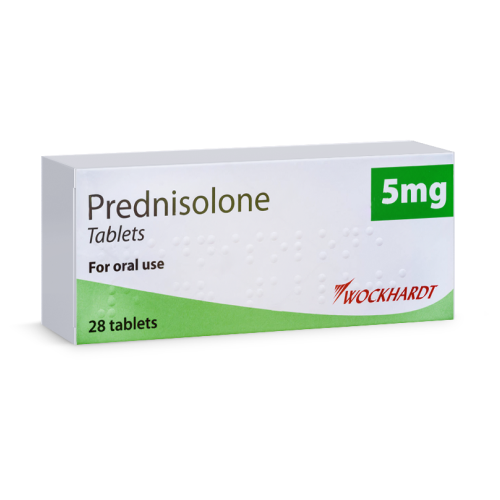
Name of medicine Prednisolone
Main compound Prednisolone
Primary use Management of inflammation in various conditions (autoimmune, allergic, respiratory, and more)
Strengths available 5 mg, 10 mg, 20 mg, 25 mg, 50 mg (tablets, oral solution, and other formats in United States)
How fast it begins to work Typically within 1–4 hours after oral intake
How long the effects last Approximately 12–36 hours depending on dose and individual metabolism
Prescription required? Yes, in United States (required by FDA regulation)
Current price range About $15–$50 for a typical 30-tablet pack (varies by strength and manufacturer)

Prednisolone for inflammation: what to know before you start in United States

Prednisolone is a prescription anti-inflammatory medication widely used for conditions where the immune system causes tissue swelling and discomfort. It is authorized for use in the United States and can be obtained in several oral forms for different medical needs. Understanding whether this medication fits your situation involves knowing how it works, its suitability for you, and what to expect from treatment.

Inflammation: how common is the problem, and why does it matter?

Inflammation underlies countless medical conditions, from allergies and asthma to rheumatoid arthritis and lupus. According to the Centers for Disease Control and Prevention (CDC), 24% of adults in the United States have been diagnosed with some form of arthritis (2021), and autoimmune diseases—nearly all of which involve inflammatory processes—affect an estimated 23.5 million Americans (National Institutes of Health, 2022). Swelling, pain, and tissue changes can interfere with daily life, yet most inflammatory conditions are manageable with the right treatment. Recognizing you are not alone, and that your symptoms can be brought under control, is the key first step before considering medications like Prednisolone.

How Prednisolone dampens inflammation: what actually happens in your body

Prednisolone is a synthetic corticosteroid, meaning it mimics hormones naturally produced by your body’s adrenal glands. Inflammation occurs when the immune system activates too strongly or for too long, releasing molecules that cause redness, swelling, and pain. Prednisolone works by entering cells and switching off the genes responsible for making these inflammatory signals, such as prostaglandins and cytokines. The practical result: the swelling reduces, pain subsides, and allergic or autoimmune flare-ups quiet down. Most people notice improvement within several hours to a day of starting the medication, though full relief may depend on the severity of the condition and the prescribed dose. For short-term flare management, relief is often rapid; for chronic conditions, it helps maintain control and prevent future attacks.

Should you use Prednisolone? Matching your situation to the right option

Your situation Is Prednisolone a fit? Reason/explanation
You have a diagnosed autoimmune disorder (e.g., lupus, rheumatoid arthritis, severe asthma), and your doctor recommends systemic steroids for a flare Yes Prednisolone is commonly prescribed for rapid control of inflammatory flares in these situations, reducing tissue damage and symptoms.
Short-term allergic reactions that do not respond to antihistamines (e.g., severe poison ivy, angioedema) Yes, if prescribed Prednisolone can suppress overwhelming allergic inflammation when first-line treatments fail.
Mild joint pain or low-grade allergies that respond to over-the-counter medication No The risks of corticosteroids outweigh the benefits for mild or self-limiting symptoms. Safer, targeted, or non-drug options are preferred.
Chronic infections, untreated tuberculosis, or known fungal infections Not recommended Prednisolone can suppress the immune response, making infections worse or harder to treat. It should not be used unless under strict specialist guidance.
Already taking other immunosuppressive medications Maybe, but requires close coordination Combining immunosuppressive drugs increases risk—doctor management is essential to avoid dangerous complications.

This table reflects real-life decisions: Prednisolone is powerful and effective but is not the right choice for all inflammatory issues. Honest assessment with your doctor is essential to identify the best fit for your needs.

Practical use of Prednisolone: what to expect and how to handle the unexpected

  • Taking the medication: Prednisolone is usually taken once daily in the morning with food to minimize stomach irritation and mimic your body’s natural cortisol rhythm. Always follow your doctor’s dosing instructions—never self-adjust without guidance.
  • If you miss a dose: Take it as soon as you remember, unless the next scheduled dose is near. Do not double up. Missing a single dose rarely causes major issues, but missing several days may trigger a flare—contact your provider if this happens.
  • If it doesn’t seem to work: For acute flares, partial symptom relief is often noticed within a day. If you see no improvement after 48 hours, or if symptoms worsen, contact your doctor—another underlying cause may need attention or a different treatment may be required.
  • Stopping the medication: Do not abruptly discontinue Prednisolone if you have been taking it for more than 2–3 weeks. Stopping suddenly can cause adrenal insufficiency, leading to fatigue, weakness, and low blood pressure. Tapering must be supervised by your healthcare provider.
  • What’s normal and what’s not: Mild side effects such as increased appetite or trouble sleeping are common. Severe mood changes, confusion, high fevers, vision changes, or swelling that worsens are not normal—seek medical advice if these occur.

Is Prednisolone safe? Who should not take it and why

Who should avoid Prednisolone? Understanding contraindications

  • Active systemic infections: Prednisolone suppresses the immune response, so it can worsen untreated infections (like tuberculosis or fungal infections). Unless the infection is being actively treated and monitored, this medication should not be started.
  • Hypersensitivity or allergy to corticosteroids: Rare, but those with known allergic reactions to steroids should never use Prednisolone due to risk of severe allergic responses.
  • Recent live vaccines: Because Prednisolone reduces the body’s defense, live vaccines can pose a risk of causing disease. Vaccination schedules should be reviewed with a doctor before starting Prednisolone.
  • Uncontrolled diabetes or severe hypertension: Steroids can raise blood sugar and blood pressure. People with poorly managed diabetes or blood pressure may need alternative treatments or very close monitoring.

Doctors will usually screen for these risks before prescribing. Always inform your provider about your full medical history and current medications before starting a new course.

What side effects can you expect from Prednisolone?

  • Common, often mild: Increased appetite, insomnia, mood swings, mild stomach discomfort, and fluid retention. These usually subside with dose reduction or after stopping.
  • More serious, especially with longer use: Elevated blood sugar, weight gain, osteoporosis (bone thinning), muscle weakness, increased infection risk, eye pressure changes, and delayed wound healing.
  • Rare but urgent: Severe allergic reactions (swelling of the face/throat, difficulty breathing), sudden vision loss, or confusion. If you experience swelling, difficulty breathing, or chest pain, call 911 (United States emergency number) immediately.

Most people tolerate short courses of Prednisolone well, but the risk of side effects rises with dose and duration. Report unexpected changes promptly. If you suspect an overdose (very high doses taken accidentally), symptoms may include severe muscle weakness, confusion, rapid weight gain, or severe swelling. Seek urgent help if this occurs.

Medication interactions: what else do you need to watch for?

Prednisolone interacts with a variety of commonly used drugs. Below are key examples and what these interactions mean for you:

  • Non-steroidal anti-inflammatory drugs (NSAIDs): Taking ibuprofen or naproxen along with Prednisolone can increase risk of stomach ulcers or bleeding. If both are needed, your doctor may recommend a stomach-protective medication.
  • Diabetes medications: Steroids can raise blood sugar, so you may need more frequent glucose monitoring and possible adjustments to insulin or oral medications.
  • Blood thinners (e.g., warfarin): Steroids may alter the effect of anticoagulants, so close monitoring of blood clotting status is necessary.
  • Vaccines: Live vaccines should generally be avoided while on Prednisolone; inactivated vaccines may be less effective. Coordinate vaccination timing with your healthcare provider.

Always provide a full list of your medications and supplements to your prescriber so interactions can be proactively managed. The pharmacist can also help screen for potential problems at the time of dispensing.

How does Prednisolone compare with other anti-inflammatories?

Medication Best for Main limitations Prescription status (US)
Prednisolone Severe or systemic inflammation, autoimmune flares, allergic crises Not suitable for mild cases; risk of side effects, requires prescription Prescription only
Ibuprofen/Naproxen Mild-to-moderate pain, minor inflammation Less effective for autoimmune or severe allergic conditions; GI and cardiovascular risk with high doses Over-the-counter
Methotrexate/Immunosuppressants Long-term autoimmune control Slower onset, more complex monitoring, not for acute relief Prescription only
Biologics (e.g., adalimumab) Refractory or severe chronic inflammation (e.g., RA, Crohn’s) High cost, injectable, infection risk, requires specialist Prescription only

Prednisolone stands out for its speed and effectiveness in acute, severe, or systemic inflammation—when rapid symptom reduction is essential. It is not the first choice for mild pain, nor for long-term maintenance due to cumulative side effects. A specialist will weigh these considerations based on your unique situation.

Buying Prednisolone in United States: what is involved and what will it cost?

In the United States, Prednisolone is classified as a prescription-only medication and regulated by the U.S. Food and Drug Administration (FDA). This means you cannot legally obtain it without a current prescription—though some online sources may offer it without one, this carries legal and safety risks. Most people acquire Prednisolone through their local pharmacy after a doctor’s appointment or via a telehealth consultation, both of which are widely available.

Cost item Amount Note
Medical consultation (in-person or telemedicine) $80–$250 Price varies by provider and insurance status
Prescription fee (if applicable) $0–$25 Some clinics charge a separate fee for prescriptions
Prednisolone tablets (30 count, 5–20 mg) $15–$50 Generic versions; brand name products may cost more
Pharmacy delivery (optional) $5–$20 Standard or expedited delivery
Total cost $100–$345 From minimum (telehealth + generic + no delivery) to maximum scenario

Insurance may cover most or all of these costs, depending on your plan. Cash prices are shown for those paying out-of-pocket. Major pharmacy chains, independent drugstores, and accredited U.S. online pharmacies all carry Prednisolone; always verify the legitimacy of an online source, as counterfeit risks exist. Expect a clear prescription label with your name, dosing instructions, and medication lot information upon receipt.

What about generic options and branded versions?

Prednisolone is available as a generic medication, which is therapeutically equivalent to brand-name versions but usually much less expensive. Several manufacturers supply the U.S. market, including Teva, Mylan, and Sandoz. There is no clinical advantage to choosing a brand name unless you have an allergy to a specific filler or ingredient.

Last considerations: what if you still have questions?

Deciding whether to start Prednisolone can raise further questions—such as how long you’ll need to take it, whether it can be used safely more than once, or how it may affect unique health concerns like pregnancy or other chronic conditions. The specific duration of treatment and repeat courses will always depend on your individual diagnosis and risk factors, which only your provider can balance with full context. If you are pregnant, breastfeeding, or have a complex medical background, discuss these details directly with your prescriber for tailored advice. For most standard inflammatory flares, Prednisolone is a time-limited intervention, not a lifelong therapy.

Where this information comes from