
Subtotal ₨ 0




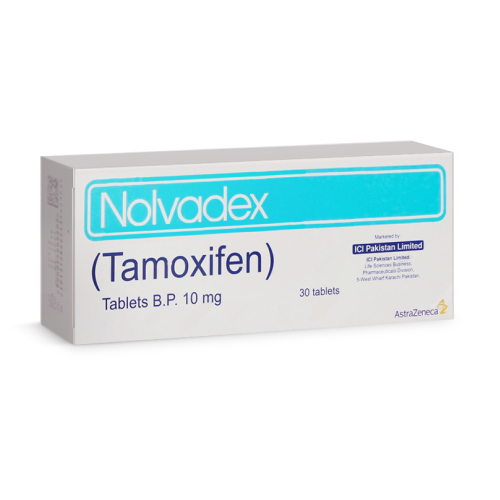
Who Finds Themselves Considering Nolvadex?
A diagnosis of breast cancer—especially hormone receptor-positive—forces decisions most people never imagined facing. Suddenly, you’re thrust into a world of acronyms, clinical trials, and a parade of white coats. At some point, the name “Nolvadex” almost always surfaces. Maybe it’s after surgery, or maybe it’s because of a family history that puts you at higher risk. Sometimes, it’s the first-line treatment; other times, it comes after a different therapy falters.
If you’ve recently been told Nolvadex is an option for you, you’re not alone. In the United States, tamoxifen has been a mainstay of breast cancer treatment for decades. Why? Because for women (and some men) whose cancer feeds on estrogen, blocking those hormone signals can change the course of the disease. Nolvadex is often prescribed for:
- Women with early-stage, hormone receptor-positive breast cancer after surgery (“adjuvant therapy”)
- People with metastatic breast cancer whose tumors are still responsive to hormone signals
- Individuals at high risk for breast cancer, as a preventive measure
- Some men with breast cancer—though less common, the rationale is similar
Not all breast cancers are the same. Nolvadex is relevant only if your cancer is “estrogen receptor positive” (ER+ or PR+). If you’re not sure what that means for your diagnosis, ask your oncologist to clarify before focusing on this medication.
The path to Nolvadex isn’t always straightforward. For some, it’s the first pill after “you’re cancer-free.” For others, it’s the medication offered when aromatase inhibitors aren’t suitable or when side effects stack up. Understanding where Nolvadex fits—both clinically and emotionally—is the foundation for the rest of this journey.
What Nolvadex Does Differently in Breast Cancer
Clinical guidelines don’t usually read like a story. But when you look closely at how Nolvadex works compared to its rivals, a few threads jump off the page—threads that matter in everyday life, not just in a laboratory.
Nolvadex’s active ingredient, tamoxifen, blocks estrogen’s effect on breast tissue without lowering estrogen levels throughout the rest of the body. That sounds technical, but the practical result is this: many premenopausal women can take Nolvadex when aromatase inhibitors (AIs) are less effective. For patients who haven’t reached menopause, that’s a crucial distinction.
- Tamoxifen (Nolvadex)
- A selective estrogen receptor modulator (SERM) that attaches to estrogen receptors in breast cells, stopping estrogen from fueling cancer growth. Unlike AIs, it does not lower overall estrogen levels, making it effective and tolerable for a broader group of patients.
For postmenopausal women—and for those whose cancers become resistant to tamoxifen—aromatase inhibitors often take center stage. But Nolvadex remains unique: it is FDA-approved for risk reduction in women at high risk for breast cancer, not just for those already diagnosed.
- Effective in both premenopausal and postmenopausal women (though often preferred in the former)
- Proven long-term safety record—decades of clinical experience
- Lower risk of bone loss compared to AIs
- Distinct side effect pattern, including risk of blood clots and uterine changes, but less joint pain than AIs
In short, Nolvadex isn’t just another anti-estrogen. Its strengths—and its limitations—shape both the treatment landscape and your lived experience on therapy.
Living with Nolvadex: Realities Beyond the Pill
A prescription is only the start. What does life on Nolvadex actually feel like? Patients often expect daily routines to snap back to normal once active cancer therapy ends, but the reality is more nuanced.
Hot flashes, mood swings, and changes in sexual function often catch people by surprise. “I thought the hard part was over,” one patient said, “but no one told me months on Nolvadex would be so up and down.” For some, side effects are mild and fade. For others, they are persistent but manageable. A minority find them intolerable, leading to tough decisions about switching medications or adjusting treatment plans.
- Energy levels: Many patients report fatigue, especially in the first few months. Most adapt, but some find it lingers throughout treatment.
- Menstrual changes: Premenopausal women may notice periods become irregular or stop entirely. This is usually reversible, but not always.
- Emotional effects: Some people feel more anxious or depressed. These symptoms can be subtle and are often mistaken for “normal stress.”
Adherence is a hidden challenge: data from the United States show a substantial portion of patients stop Nolvadex early, often without telling their doctor. The reasons range from side effects to misunderstandings about risk. Yet, the benefits of completing a full course—often five years—are significant, with clear reductions in recurrence and mortality for hormone-sensitive cancers.
Tip: If you struggle with side effects, do not stop Nolvadex abruptly. Talk to your healthcare team about strategies—dose timing, managing hot flashes, or even switching therapies. In many cases, problems can be managed without sacrificing treatment effectiveness.
Nolvadex Versus Other Breast Cancer Medications: What Really Sets It Apart?
| Attribute | Nolvadex (Tamoxifen) | Aromatase Inhibitors (e.g., Anastrozole, Letrozole) | Fulvestrant |
|---|---|---|---|
| Indication | Early and metastatic ER+ breast cancer; risk reduction in high-risk women | Early and metastatic ER+ breast cancer (primarily postmenopausal) | Advanced or metastatic ER+ breast cancer (usually after other therapies) |
| Mechanism | SERM: blocks estrogen receptors in breast tissue | Blocks estrogen production by inhibiting aromatase enzyme | Estrogen receptor downregulator: degrades the receptor |
| Menopausal status | Pre- and postmenopausal | Postmenopausal only | Postmenopausal (mostly) |
| Administration | Oral tablet, once daily | Oral tablet, once daily | Intramuscular injection, monthly |
| Common side effects | Hot flashes, vaginal discharge, menstrual changes, risk of blood clots | Joint pain, bone loss, hot flashes | Injection site pain, hot flashes, nausea, fatigue |
| Bone health impact | Protects bone density | Can cause bone loss / osteoporosis | Neutral |
| Prescription status (U.S.) | Prescription only | Prescription only | Prescription only |
| Cost/access | Generic widely available, low cost | Generics available, moderate cost | Brand only (as of 2024), higher cost |
The most important difference? Nolvadex remains the only option for many premenopausal women and for those unable to tolerate aromatase inhibitors. Its oral dosing and long record make it accessible, but unique risks (like blood clots and uterine changes) demand careful attention. Cost is rarely a barrier in the United States, thanks to widespread generics and insurance coverage, though Fulvestrant’s higher cost and injection delivery limit its use to specific scenarios.
Which Side Effects Matter Most with Nolvadex—and When to Act
Every medication has side effects, but not all are created equal. With Nolvadex, it’s not the frequency of hot flashes or menstrual irregularity that most concerns oncologists—it’s the rare but serious risks that require vigilance.
- Blood clots: Nolvadex increases the risk of deep vein thrombosis (DVT) and pulmonary embolism. Symptoms may include sudden leg swelling, pain, or shortness of breath. These are emergencies—seek immediate care.
- Endometrial cancer: Tamoxifen can raise the risk of uterine (endometrial) cancer, especially in women over 50. Any abnormal vaginal bleeding, pelvic pain, or changes in discharge warrant prompt evaluation.
- Ocular effects: Rarely, Nolvadex can cause changes in vision, including cataracts or retinopathy. Report any blurring, flashes, or new visual symptoms.
The flip side? Most Nolvadex side effects are bothersome but manageable. Hot flashes and mild mood changes usually improve over time or with supportive measures. Nausea, weight changes, or headaches may occur, but are rarely dose-limiting.
Never ignore new or severe symptoms while on Nolvadex. If you experience chest pain, leg swelling, shortness of breath, or unusual vaginal bleeding, contact your healthcare provider or seek emergency care.
| Side Effect | How Common | When to Contact Doctor |
|---|---|---|
| Hot flashes/night sweats | Very common | If severe or affecting quality of life |
| Blood clots (DVT/PE) | Uncommon (1-2%) | Immediately if any symptoms (leg swelling, chest pain, shortness of breath) |
| Abnormal vaginal bleeding | Occasional | Anytime it occurs |
| Vision changes | Rare | Promptly if persistent or new onset |
| Fatigue | Common | If persistent or severe |
| Mood changes | Occasional | If affecting daily function or mental health |
Most patients complete their course of Nolvadex without ever encountering a serious problem. But understanding which side effects matter most—and acting on them early—can make the difference between a smooth course and a crisis.
Taking Nolvadex Correctly: What Patients Get Wrong (and How to Get It Right)
Most patients picture a once-daily pill, swallowed with water and forgotten until tomorrow. That’s generally accurate, but it’s also where small mistakes and big misunderstandings can creep in.
Adherence—taking Nolvadex every day, at roughly the same time—is the single most critical factor in its effectiveness. Missing doses occasionally happens, but skipping several days, or stopping abruptly, can reduce its benefit. What patients underestimate is how much small lapses matter over years-long therapy.
- Timing: Tamoxifen is usually taken once daily, with or without food. Consistency helps minimize side effects and build routine.
- Interactions: Certain antidepressants (notably paroxetine and fluoxetine), blood thinners, and some over-the-counter supplements can interfere with tamoxifen. Always review all medications with your doctor or pharmacist.
- Alcohol: Moderate intake is generally considered safe, but heavy consumption may increase risks. Discuss with your physician if you have concerns.
- Missed dose: If you forget a dose, take it as soon as you remember. If it’s close to the next scheduled time, skip the missed dose—don’t double up.
Dosing usually remains the same regardless of age, weight, or mild kidney/liver impairment. Children and adolescents (rarely treated for breast cancer) may require specialist dosing adjustments.
| Indication | Typical Adult Dose | Duration |
|---|---|---|
| Adjuvant treatment (early breast cancer) | 20 mg once daily | 5–10 years |
| Metastatic breast cancer | 20–40 mg daily (in divided doses if >20 mg) | Until progression or intolerance |
| Risk reduction (high-risk women) | 20 mg once daily | 5 years |
Swallowing difficulties? Tamoxifen cannot be crushed or split easily—talk to your pharmacist about options if needed. For most, adherence is about the daily habit. Pairing your medication with another routine (like brushing teeth) is a time-tested strategy.
When Not to Take Nolvadex: Absolute and Relative Contraindications
Absolute contraindications:
- History of blood clots (DVT or pulmonary embolism): Nolvadex raises clot risk; if you have ever had a serious blood clot, it’s almost never used unless benefits greatly outweigh the risk.
- Known allergy or hypersensitivity to tamoxifen or its ingredients: True allergic reactions are rare but absolute.
- Concurrent warfarin therapy for DVT/PE prevention: The combination increases bleeding risk—alternative strategies are usually preferred.
- Pregnancy: Nolvadex is unsafe in pregnancy and can harm the fetus. Effective contraception is required throughout treatment and for at least 2 months after stopping.
Relative contraindications:
- History of endometrial cancer: Tamoxifen may increase risk of recurrence—use only if no safer alternative exists.
- Severe liver disease: Tamoxifen is processed by the liver; impaired function may require dose adjustment or alternative therapy.
- Ocular disorders: Pre-existing cataracts or retinopathy may worsen—eye monitoring is advised.
- Concurrent use of strong CYP2D6 inhibitors: Some antidepressants can reduce effectiveness of tamoxifen—alternative medications are preferred.
In all these cases, balancing benefit and risk is a discussion for your oncologist. Never stop, start, or change therapy based on lists alone—your clinical context is what guides safe decisions.
Frequently Asked Questions about Nolvadex in the United States
- Can I get Nolvadex without a prescription in the United States?
- No. Tamoxifen (Nolvadex) is a prescription-only medication in the United States. Any legal pharmacy—local or mail order—requires a valid prescription from a licensed provider.
- How long do I have to take Nolvadex for breast cancer?
- The standard duration is 5 years but can be extended to 10 in some cases, especially for higher-risk cancers. Your oncologist will tailor the course based on your risk and response.
- What happens if I miss a dose of Nolvadex?
- Take the missed dose as soon as you remember, unless it’s nearly time for your next scheduled dose. Do not double up. Occasional missed doses are unlikely to affect long-term benefit, but frequent lapses can reduce effectiveness.
- Are brand-name Nolvadex and generic tamoxifen the same?
- Yes, for most patients. The FDA ensures generics meet the same quality and effectiveness standards. If you notice changes after switching, discuss these with your doctor, but most people tolerate generics equally well.
- Can I take tamoxifen if I am trying to get pregnant?
- No. Tamoxifen is unsafe in pregnancy and must be stopped before trying to conceive. Effective contraception is required during therapy and for at least two months after stopping. Discuss family planning with your healthcare team well in advance.
- Will Nolvadex affect my bone health?
- Unlike aromatase inhibitors, Nolvadex typically preserves or even improves bone density in postmenopausal women. This is one reason it is sometimes preferred, especially for those at risk of osteoporosis.
- Does Nolvadex interact with other common medications?
- Yes. Some antidepressants, blood thinners, and certain supplements can interfere with tamoxifen. Always review your full medication list with your provider and your pharmacist when starting or stopping Nolvadex.
- What should I do if I experience side effects?
- Most side effects are manageable. For severe or persistent symptoms—especially blood clots, abnormal bleeding, or vision changes—contact your doctor immediately. Do not stop Nolvadex without consulting your healthcare team.
Sources / References
- U.S. Food and Drug Administration (FDA) – Drugs
- National Comprehensive Cancer Network (NCCN) Guidelines, Breast Cancer, 2024
- Mayo Clinic: Tamoxifen (Oral Route)
- National Cancer Institute – Breast Cancer Hormone Therapy
- American Cancer Society – Hormone Therapy for Breast Cancer
- ClinicalTrials.gov
- Nolvadex (Tamoxifen) – Official Prescribing Information