Shopping cart

Subtotal  0

View cartCheckout

Subscribe to out newsletter today to receive latest news administrate cost effective for tactical data.

Let’s Stay In Touch

Buy Lasix at Low Price in the United States

  • Home
  • Buy Lasix at Low Price in the United States
  • Home/
  • Buy Lasix at Low Price in the United States
Buy Lasix at Low Price in the United States
Medical Disclaimer: This article is for informational purposes only. Medication use is only possible after consultation with a doctor. Self-medication can be dangerous to your health and may have life-threatening consequences.

Can Lasix Be Obtained Without a Prescription in the United States?

No, Lasix (Furosemide) is a prescription-only medication in the United States. It is illegal and unsafe to obtain Lasix without a valid prescription from a licensed healthcare provider. Only authorized pharmacies may dispense this medication.

Key Takeaways: What Should Patients Know About Lasix in the United States?

  • Lasix is most commonly prescribed for fluid retention (edema) due to heart failure, liver disease, or kidney disease.
  • A valid prescription from a U.S. healthcare provider is required to obtain Lasix legally.
  • Improvements in swelling and shortness of breath usually begin within hours after the first dose.
  • Electrolyte disturbances and dehydration are important safety risks—regular monitoring is essential.
  • Patients with severe kidney or liver problems, dehydration, or certain heart arrhythmias need special caution.
  • If you experience significant dizziness, fainting, irregular heartbeat, or muscle weakness, seek medical attention promptly.

How Does Lasix Work? Understanding Its Pharmacological Mechanism

Lasix contains Furosemide, a potent loop diuretic that works primarily in the ascending limb of the loop of Henle in the kidneys. It inhibits the sodium-potassium-chloride (Na+/K+/2Cl-) co-transporter, which results in decreased reabsorption of sodium and chloride. This leads to an increase in urinary excretion of water, sodium, chloride, potassium, calcium, and magnesium.

As more salt and water are excreted, blood volume decreases, which helps to reduce swelling (edema) and lower blood pressure. The drug’s action is independent of aldosterone, so it works even when other mechanisms (such as aldosterone antagonists) are less effective.

Simplified metaphor: Think of the kidney’s loop as a “water recycling plant.” Lasix turns off part of this plant’s ability to reclaim water and salt, so more fluid leaves your body in the urine.

Lasix acts rapidly—its diuretic effect begins within 30–60 minutes when taken orally and peaks at 1–2 hours. The duration of action is typically 6–8 hours.

Myth vs Reality:
Myth: Lasix only removes “excess” water.
Reality: Lasix does not distinguish between necessary and excess water—it can cause dehydration if not used carefully under medical supervision.

Why Patients’ Expectations of Lasix Often Differ from Clinical Reality

Expert Commentary by a U.S. Specialist:

In my practice, many patients expect Lasix to provide immediate, dramatic relief from swelling or breathing difficulty. While this is sometimes the case, especially in acute settings, the degree of benefit depends on underlying conditions, diet, and kidney function. Patients are often surprised that the drug also removes important electrolytes like potassium, which can cause muscle cramps, weakness, or dangerous heart rhythm disturbances if not monitored. One common misconception is that more diuresis is always better—when, in fact, excessive fluid loss can worsen kidney function or cause severe dehydration. Patients rarely ask about how Lasix may interact with other medications or dietary habits, yet these factors can significantly impact safety and effectiveness. It’s crucial for patients to understand that ongoing monitoring, lab checks, and dose adjustments are part of responsible Lasix therapy.

How Should Lasix Be Taken? Dosing, Timing, and Duration Explained

Lasix dosing is highly individualized and should only be determined by a healthcare provider. Typical dosages for adults with edema start at 20–80 mg taken orally once daily. Doses may be increased in increments of 20–40 mg, depending on the response and tolerance. For hypertension, initial doses often start at 40 mg twice daily, but this varies widely based on patient profile.

  • Maximum daily dose: For most adults, the maximum recommended is 600 mg per day in severe cases under close monitoring. Exceeding this poses significant risks.
  • Split dosing: Tablets may be split for dose adjustment, but not all formulations are scored—consult your pharmacist before splitting.
  • Elderly patients: Start at the lowest possible dose and titrate slowly due to increased sensitivity to fluid and electrolyte shifts.
  • Renal or liver impairment: Dose adjustment is required and careful monitoring is mandatory.
  • Pediatric dosage: Determined strictly by weight and clinical indication—never self-administer in children.

The effect typically begins within 1 hour of oral dosing, peaks at 1–2 hours, and lasts up to 6–8 hours. Because of the potential for nocturia (nighttime urination), Lasix should generally be taken in the morning or early afternoon.

Never adjust your Lasix dose on your own—always consult your healthcare provider first.

How Does Food, Alcohol, and Lifestyle Affect Lasix?

Food: Lasix can be taken with or without food; however, food may slightly delay the onset of action and reduce peak concentrations, but not the overall effect. Fatty meals can delay the effect by up to 60 minutes. If you notice stomach upset, take Lasix with food.

Alcohol: Alcohol should generally be avoided while on Lasix due to an increased risk of dehydration, low blood pressure, and kidney strain. Even moderate drinking (1–2 drinks per day) can intensify dizziness or fainting, especially in older adults.

Grapefruit juice: There is no known direct interaction between Lasix and grapefruit juice, but patients with impaired kidney function or taking multiple medications should discuss dietary intake with their doctor.

Other Lifestyle Factors:

  • High salt intake can reduce the effectiveness of Lasix.
  • Avoid strenuous activity in hot weather to minimize the risk of dehydration.
  • Monitor your weight daily to detect rapid changes in fluid status.

Who Should Not Take Lasix? Critical Contraindications and Cautions

Absolute contraindications (never use):
  • Allergy to furosemide or sulfonamide-derived drugs
  • Anuria (no urine output)
  • Severe electrolyte disturbances (e.g., profound hypokalemia, hyponatremia)
  • Hepatic coma or precoma
Relative contraindications (use only with close monitoring):
  • Severe renal impairment (risk of worsening kidney function)
  • Severe liver disease (may precipitate hepatic encephalopathy)
  • Gout (risk of increased uric acid)
  • Diabetes (can alter blood sugar levels)
  • Low blood pressure or a history of severe dehydration
Drug Interactions (examples):
  • Must NOT be taken with aminoglycoside antibiotics (increased risk of ototoxicity)
  • Use with caution alongside other blood pressure or heart medications (risk of excessive blood pressure drop or electrolyte changes)
  • Risk of severe hypokalemia when combined with corticosteroids or laxatives
  • Increased lithium toxicity if taken with lithium
After acute heart attack (myocardial infarction):
  • Lasix may be used under close hospital supervision only.

Always inform your healthcare provider of all medications and supplements you’re taking before starting Lasix.

What Side Effects Are Most Common With Lasix?

Lasix, like all medications, can cause side effects. These range from mild to severe. Some are common and expected; others are rare but serious.

Very Common (>1/10 patients):

  • Frequent urination
  • Electrolyte disturbances (especially low potassium and sodium)
  • Dehydration (thirst, dry mouth, confusion)

Common (1/100 to 1/10):

  • Dizziness or lightheadedness, especially when standing
  • Muscle cramps or weakness
  • Changes in blood pressure (hypotension)
  • Headache
  • Elevated blood sugar or uric acid levels

Rare (1/10,000 to 1/1,000):

  • Hearing loss (usually reversible with dose reduction)
  • Severe skin reactions (rash, itching, photosensitivity)
  • Pancytopenia (dangerous drop in blood cell counts)

Very Rare (<1/10,000):

  • Severe allergic reactions (anaphylaxis)
  • Acute kidney injury
  • Pancreatitis

If you experience severe dizziness, fainting, irregular heartbeat, significant muscle weakness, trouble hearing, or swelling of the face/lips, stop the medication and seek medical help immediately.

Why do these side effects occur? Lasix increases the excretion of both water and essential electrolytes. A loss of potassium, for instance, can cause cramps or abnormal heart rhythms. Drops in blood pressure may result from excessive volume loss. Regular monitoring of your blood chemistry, blood pressure, and symptoms is key to safe use.

Common Pitfalls: What Patients Frequently Do Wrong With Lasix

  • Taking doses late in the day: This increases nighttime urination and disrupts sleep. Always take Lasix in the morning unless your doctor advises otherwise.
  • Skipping blood tests: Routine monitoring of electrolytes and kidney function is essential to prevent complications. Missing lab appointments increases risk.
  • Self-adjusting the dose: Increasing or decreasing your dose without medical advice can lead to dehydration or ineffective treatment.
  • Ignoring early symptoms of dehydration: Symptoms such as excessive thirst, dry mouth, or confusion should prompt immediate contact with your healthcare provider.
  • Combining Lasix with other diuretics or laxatives without approval: This can dangerously lower potassium and sodium levels.
  • Not reporting changes in urine output or weight: Both sudden increases and decreases can signal a need for immediate medical review.

To avoid these mistakes, follow your doctor’s instructions carefully and report any changes in your health.

Competitor Analysis: Lasix vs Other Common Diuretics in the United States

Medication Onset of Action Duration Common Side Effects Estimated Price per 40 mg tablet (USD, 2026)
Lasix (Furosemide) 30–60 min (oral) 6–8 hours Dehydration, low potassium, increased urination $0.10–$0.50
Bumex (Bumetanide) 30–60 min (oral) 4–6 hours Electrolyte imbalances, dehydration $0.40–$1.20
Demadex (Torsemide) 1 hour (oral) 12–16 hours Low potassium, muscle cramps $0.30–$1.00
Hydrochlorothiazide 2 hours (oral) 6–12 hours Low potassium, elevated blood sugar $0.05–$0.40

Lasix is usually chosen for rapid or severe fluid overload. Alternatives like Torsemide may offer more prolonged action with potentially fewer hospitalizations for heart failure, but at a higher cost. Consult your doctor to determine the best option for your condition.

Lasix Compatibility Checklist: What Can (and Cannot) Be Combined

Product/Medication Can It Be Combined? Potential Consequences
Aspirin (low-dose) Yes, with caution May reduce diuretic effect at high doses
Lisinopril (ACE inhibitor) Yes Watch for low blood pressure, kidney issues
Potassium supplements Yes, often needed Helps prevent low potassium
Lithium No Dangerous increase in lithium levels
NSAIDs (e.g., ibuprofen) Use with caution May blunt diuretic effect, raise kidney risk
Alcohol No Risk of dehydration, low blood pressure

Pharmacokinetics Simplified: How Is Lasix Processed and Eliminated?

Lasix is absorbed from the gastrointestinal tract, with bioavailability ranging from 50–70%. Peak plasma concentrations are reached about 1–2 hours after oral administration. The drug is largely bound to plasma proteins and is minimally metabolized by the liver. Elimination occurs primarily via the kidneys—the major fraction is excreted unchanged in urine.

  • Half-life: Approximately 1–2 hours in individuals with normal kidney function, but can be prolonged in those with kidney or liver impairment.
  • Special note: Impaired kidney function can decrease clearance, leading to longer action and increased risk of toxicity.

Understanding these pharmacokinetic principles is important for adjusting doses in patients with chronic disease or fluctuating renal function.

Are There Special Considerations for Certain Patient Groups With Lasix?

  • Elderly: Increased risk of dehydration, confusion, falls—start at lower doses and monitor closely.
  • Chronic kidney disease: Dose adjustment and close lab monitoring are essential.
  • Liver disease: Risk of precipitating hepatic encephalopathy—use only with specialist supervision.
  • Diabetes: Monitor blood glucose; Lasix can increase sugar levels.
  • Women who are pregnant or breastfeeding: Use only if absolutely necessary and under medical supervision (FDA pregnancy category C).
  • Fertility: No established evidence of direct impact on fertility in humans, but dehydration and electrolyte shifts can theoretically affect reproductive function.
  • Driving and machinery: Lasix can cause dizziness or fainting. Patients should not drive or operate heavy machinery until they know how the medication affects them.

How Can You Tell If Lasix Is Genuine? Safety, Generics, and Counterfeits Explained

Counterfeit medications are a real risk, especially from unverified sources. To ensure your Lasix is genuine:

  • Check for FDA-approved labeling and packaging—original Lasix boxes have clear, professional printing, a distinct logo, and a lot number with expiration date.
  • Blister packs should be sealed, with each tablet clearly marked (often with “Lasix” and the dosage, e.g., “40”).
  • Look for tamper-evident features, holograms, or QR codes (some U.S. manufacturers include these for authenticity).
  • Price that is “too good to be true” may signal a counterfeit product.
  • Purchase only from licensed U.S. pharmacies (brick-and-mortar or verified online).

Generics: FDA-approved generics containing furosemide are widely available and equivalent in efficacy and safety to brand-name Lasix. Generics may look different (color, shape, imprint) but must meet the same quality standards. Inactive ingredients (excipients) may differ and can occasionally cause allergic reactions in sensitive individuals.

How Do I Find a Qualified Edema Specialist in the United States?

Edema is managed by several types of specialists, depending on the underlying cause. If you have persistent or unexplained swelling, seek referral to a board-certified cardiologist, nephrologist, or internal medicine physician. In larger cities like New York, Los Angeles, Houston, and Chicago, major hospital systems and academic medical centers (e.g., Mayo Clinic, Cleveland Clinic, Johns Hopkins) offer multidisciplinary programs for fluid management. Always verify the credentials of your healthcare provider.

Step-by-Step: How to Get Lasix Through Legal Medical Channels in the U.S.

  1. Consultation: Schedule an appointment with your primary care doctor or a relevant specialist (e.g., cardiologist, nephrologist) for evaluation.
  2. Medical Assessment: The doctor will perform a physical exam, review your medical history, and usually order blood and urine tests to assess kidney function and electrolyte balance.
  3. Prescription Issuance: If Lasix is appropriate, your doctor will write a prescription specifying the dose and duration.
  4. Pharmacy Fulfillment: Bring your prescription to a licensed pharmacy. Most U.S. pharmacies fill Lasix prescriptions the same day.
  5. Telemedicine Option: In many states, telehealth platforms allow virtual consultations; a prescription can be sent electronically to your chosen pharmacy.
  6. Follow-up: Attend all recommended lab tests and follow-up visits to monitor your response and safety.

How to Identify a Legitimate Online Pharmacy in the United States

Online pharmacy safety is governed by the FDA and state pharmacy boards. To ensure you are using a legitimate source:

  • Look for the NABP VIPPS seal (Verified Internet Pharmacy Practice Sites)—this certifies U.S. compliance.
  • Legitimate online pharmacies always require a prescription.
  • Be cautious of sites offering Lasix without a prescription, without U.S. contact information, or with unusually low prices.
  • Verify the pharmacy’s license with your state’s Board of Pharmacy.
  • Check for secure payment methods and clear privacy policies.

Counterfeit medicines from unregulated sites can be ineffective, unsafe, or even life-threatening.

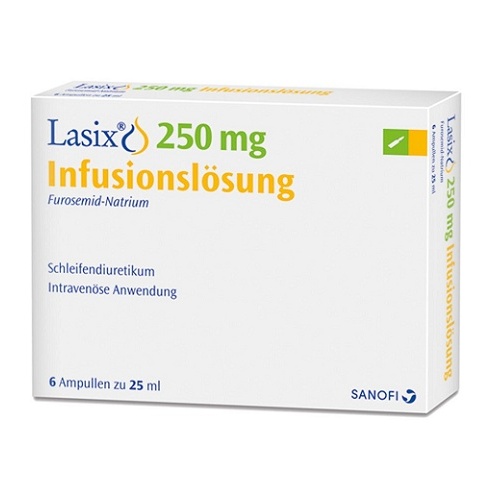
What Does a Genuine Lasix Tablet or Box Look Like? Quality Assurance in the U.S.

  • Tablets are usually white, oval or round, with dosage engraved (e.g., “Lasix 40”).
  • Blister packs are sealed with batch and expiration date printed.
  • Outer box should have manufacturer’s logo, lot number, and FDA-approved labeling.
  • Some manufacturers include QR codes or holograms for verification—scan these with your phone to confirm authenticity.
  • Do not use tablets that are chipped, discolored, or lack clear markings.

What Should I Do if I Overdose on Lasix?

  1. Stop taking the medication immediately.
  2. Call 911 or your local emergency services right away.
  3. Inform the medical team of the exact amount and timing of the overdose.
  4. Do not attempt to self-treat overdose symptoms like severe dehydration, confusion, irregular heartbeat, or weakness.
  5. Bring the medication packaging with you to the emergency department if possible.

Psychological Support: Managing Edema Can Be Challenging—You’re Not Alone

Edema can feel overwhelming, but you are not alone—millions of Americans manage this condition every day. It’s important to talk openly with your doctor about physical and emotional challenges. If you feel anxious or discouraged, consider reaching out to a mental health professional or joining a support group. Involving family or loved ones can also help you stick to your treatment plan.

Professional Clinical Assessment by a U.S. doctor: Who Benefits Most From Lasix, and When to Consider Alternatives?

In my clinical judgment, Lasix is most beneficial for patients with symptomatic fluid overload due to heart failure, chronic kidney disease, or liver cirrhosis—especially when rapid relief of edema or pulmonary congestion is needed. It’s also valuable for acute management of certain hypertensive crises. Patients with advanced kidney dysfunction may require higher doses, but responses can be unpredictable, and alternatives like dialysis may be preferable in refractory cases. On the other hand, those with mild, diet-responsive fluid retention or with contraindications (such as severe electrolyte imbalance or allergy to sulfa drugs) are poor candidates for Lasix. When side effects like recurrent dehydration, low potassium, or orthostatic hypotension become unmanageable, switching to a different class of diuretics, reducing the dose, or focusing on non-pharmacological management might be more appropriate. I always weigh the risks of electrolyte disturbance and kidney function decline against the urgency of symptom control, with frequent reassessment to ensure the treatment remains both effective and safe for the individual patient.

Questions Patients Often Ask doctor About Lasix Therapy in the United States

How soon will I notice improvement after starting Lasix?
Most patients begin to see reduced swelling and increased urination within 1–2 hours of the first dose. Breathing may also improve quickly if fluid buildup is the main issue. However, individual response varies, and your doctor will adjust the dose as needed.
How often do I need lab monitoring while on Lasix?
Initially, blood tests for kidney function and electrolytes are done within a week of starting therapy, then every few weeks or months depending on stability. Dose changes or new symptoms may require more frequent checks.
Is it safe to take Lasix if I have high blood pressure but no swelling?
In some cases, yes—Lasix is sometimes prescribed for hypertension. The decision depends on your overall health profile and other medications in use. Your doctor will help determine if the benefits outweigh the risks.
What should I do if I miss a dose?
Take it as soon as you remember, unless it’s close to your next scheduled dose. Do not double up to catch up. If unsure, contact your healthcare provider for advice.
Can I stop Lasix abruptly if my swelling goes away?
No—abruptly stopping Lasix can lead to rebound fluid accumulation or worsening of your underlying condition. Always follow your doctor’s instructions for discontinuation.
Will I need to take potassium supplements with Lasix?
Many patients do need extra potassium, but not all. Your doctor will base this decision on blood tests. Never add supplements without guidance, as too much potassium can also be dangerous.
How do you know if Lasix is no longer working?
Failure to lose weight, persistent swelling, or ongoing shortness of breath despite increasing doses may indicate Lasix resistance. Your doctor may need to reassess your diagnosis or suggest alternative therapies.

Lasix: Technical and Product Specifications

Active Ingredient Furosemide
Available Strengths 20 mg, 40 mg, 80 mg tablets; 10 mg/mL solution (injectable)
Formulations Oral tablets, oral solution, injectable (IV/IM; hospital use)
Usual Storage Room temperature (68–77°F); protect from light and moisture
Prescription Status Prescription-only (Rx-only) in the United States

Frequently Asked Questions (FAQ) About Lasix in the United States

Is Lasix covered by insurance in the United States?
Most insurance plans, including Medicare Part D and Medicaid, cover generic furosemide. Out-of-pocket costs are typically low, but confirm with your provider.
What is the average retail price of Lasix?
Generic furosemide tablets (40 mg) typically cost between $0.10 and $0.50 per tablet in U.S. pharmacies as of 2026. Brand-name Lasix may be more expensive.
How long can I safely take Lasix?
Duration depends on your condition—some need Lasix for weeks, others for life. Regular monitoring is essential during long-term use to prevent complications.
Can I buy Lasix online without a prescription?
No. Purchasing Lasix without a prescription from an unverified source is illegal and unsafe in the United States.
What should I do if I experience side effects?
Mild side effects (increased urination, mild dizziness) are expected. For severe reactions (fainting, severe weakness, irregular heartbeat), stop taking Lasix and seek medical attention immediately.
Can Lasix be used in pregnancy or breastfeeding?
Lasix should only be used during pregnancy or breastfeeding if the potential benefits outweigh the risks and always under strict medical supervision.
Does Lasix interact with any over-the-counter medications?
Yes—NSAIDs like ibuprofen may reduce its effect and increase kidney risk. Always consult your doctor or pharmacist before starting any new medication.
Is there a risk of dependence or withdrawal with Lasix?
Lasix does not cause psychological dependence, but abrupt discontinuation may cause rapid fluid buildup. Tapering should always be managed by your doctor.
What should I do if I miss a dose?
Take the missed dose as soon as you remember, unless it’s close to your next dose. Do not double up. If unsure, contact your physician.
Are generic furosemide tablets as effective as Lasix?
Yes, FDA-approved generics are equivalent in effectiveness and safety to the original branded product.

References