
Subtotal ₨ 0




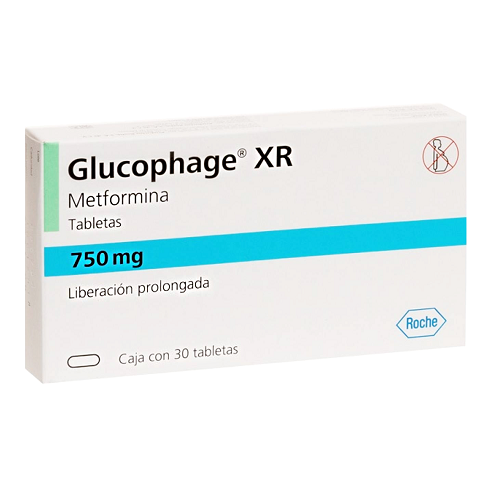
Why Glucophage Still Leads the Pack in Type 2 Diabetes (and When It Doesn’t)
Another Tuesday morning in a busy clinic: the patient sits across from their doctor, glucose log in hand, already tired of fingersticks. The diagnosis—Type 2 Diabetes—landed last week. “Do I really have to take medication?” Glucophage enters the conversation not as a last resort, but as the starting point. In the United States, for most adults with newly diagnosed Type 2 Diabetes, guidelines by the American Diabetes Association and the Endocrine Society recommend metformin—usually as Glucophage—unless there’s a good reason not to. But why does this medication, over 60 years old, still claim the first chair?
Clinical trials, real-world practice, and decades of patient experience converge: Glucophage lowers A1C (a long-term marker of blood sugar) effectively, reduces the risk of diabetes complications, and does so with a safety profile that rivals or outperforms newer—and far more expensive—options. Unlike many competitors, it almost never causes weight gain. In fact, modest weight loss is more typical. The risk of dangerously low blood sugar (hypoglycemia)? Exceptionally low, unless combined with insulin or certain sulfonylureas.
Clinical Insight: Many doctors still reach for Glucophage first because it’s tried, tested, and—when tolerated—lets patients avoid the trade-offs of newer, higher-risk, or higher-cost diabetes drugs.
When does Glucophage not lead? There are exceptions: people with advanced kidney disease (especially with eGFR <30 mL/min/1.73m2), severe gastrointestinal intolerance, or in rare cases, those with a history of lactic acidosis. In these scenarios, alternatives step forward. For everyone else, Glucophage is the gold standard starting line.
Metformin in Motion: What Glucophage Does Inside Your Body
Metformin, the active ingredient in Glucophage, does not act by cranking up insulin production or directly lowering blood sugar after meals. Instead, it changes the way the body uses insulin and processes sugar at its roots. The liver—the body’s main sugar factory—slows down its output. Muscles become more sensitive to insulin, and the gut absorbs less glucose from what you eat. The end result is smoother, lower blood sugar levels without the rollercoaster swings seen with many older diabetes drugs.
- Insulin Sensitizer
- Metformin helps your body respond to insulin more effectively, meaning your own insulin works better.
- Hepatic Glucose Production Blocker
- Glucophage tells the liver to release less sugar into the blood, especially overnight and between meals.
- Gut Glucose Absorption Reducer
- Some of the sugar from food never gets into the bloodstream—metformin lightly damps the gut’s sugar intake.
This triple action makes metformin uniquely effective and explains why it rarely causes hypoglycemia (since it doesn’t force the pancreas to make more insulin). Compare that to other drugs—like sulfonylureas—which can push insulin up unpredictably. Smoother blood sugar, fewer dangerous lows, and a lighter side effect burden: that’s the Glucophage difference in the body.
Did you know? In long-term clinical studies, metformin reduces A1C by an average of 1-2%—a result on par with newer, much costlier agents.
Setting Real-World Expectations: What Glucophage Can (and Can’t) Do
No pill replaces diet and movement. Glucophage is powerful, but its true strength unfolds in partnership with the patient’s daily routine—meals, movement, sleep. In the real world, the numbers from clinical trials rarely match what patients see in the first month or two. Blood sugar falls, especially morning fasting levels, but the drop can be gradual. Most people see their full A1C improvement after about 3 months of consistent use.
- Glucophage does not “cure” diabetes. It manages it—often for years—but stopping the drug almost always brings blood sugars back up.
- Some weight loss is common. For patients who make lifestyle changes alongside medication, the effect can be even more pronounced.
- Symptoms of high blood sugar—fatigue, excess thirst, blurry vision—may improve within weeks, but patience is key. Not everyone feels dramatically different overnight.
- Side effects, especially stomach upset, are common at the start but usually fade within 1-2 weeks. If they persist, dose adjustment or switching to an extended-release version (Glucophage XR) often helps.
Tip: Many patients give up on Glucophage too soon because of initial stomach issues. Dose changes and timing with food make a major difference—don’t quit without talking to your provider.
What Glucophage cannot do: it will not protect you from diabetes complications if taken inconsistently. Nor will it prevent all need for additional medications down the line. For some patients, especially as diabetes progresses, add-on therapies become necessary. But for many, Glucophage remains the backbone of their regimen for years—sometimes decades—before needing anything more.
Taking Glucophage: Daily Life, Dosing, and What Changes
The rhythm of life changes a little with Glucophage, but not as much as most people fear. The medication is almost always started at a low dose—often 500 mg once daily with food—to reduce the risk of stomach upset. Over days or weeks, the dose is slowly increased, aiming for the effective range (usually 1000-2000 mg per day, split into two or more doses).
| Formulation | Starting Dose | Typical Maintenance Dose | Maximum Dose | Notes |
|---|---|---|---|---|
| Glucophage (Immediate Release) | 500 mg once daily | 1000 mg twice daily | 2550 mg/day | Take with meals to reduce stomach upset |
| Glucophage XR (Extended Release) | 500 mg once daily | 1500-2000 mg once daily | 2000 mg/day | Take with evening meal; less GI upset for many |
| Renal Impairment | Individualized (often lower, or avoided) | Max 1000 mg/day if eGFR 30-45 | Contraindicated if eGFR <30 | See warning block below |
For most, the process is gradual—dose increases happen every 1-2 weeks, guided by side effects and blood sugar response. The tablet size, schedule, and whether immediate or extended release is used are tailored to fit both blood sugar targets and the individual’s digestive tolerance.
- Always take Glucophage with meals unless instructed otherwise. This simple step reduces stomach upset dramatically.
- Missing a dose does not require a double dose. Take the next scheduled dose as usual. Consistency matters more than perfect timing.
- Alcohol and dehydration increase the risk of rare but serious side effects. Avoid binge drinking and stay hydrated, especially during illness or hot weather.
Practical advice: Keep a small calendar or set phone reminders when starting Glucophage. Once the routine is established, most people stop noticing they’re taking it at all.
Which Side Effects Matter Most with Glucophage—and When to Act
Most patients will experience some degree of gastrointestinal discomfort when they first start Glucophage—nausea, loose stools, or mild cramping. For the majority, these fade within 1-2 weeks or after switching to the extended-release version. Yet, two much rarer risks require real attention: lactic acidosis (extremely rare, but dangerous) and vitamin B12 deficiency (more common over years of use, but often missed). Understanding when to ride out symptoms and when to call your doctor can make the difference between a smooth start and unnecessary worry—or worse, a missed diagnosis.
“In practice, I see patients who tolerate Glucophage with no trouble, and others who hit a wall with stomach upset and give up before we can adjust their dose or try XR. The key is being proactive—tell your provider early if symptoms persist. And if you ever feel extremely weak, short of breath, or confused, especially if you have kidney issues or become dehydrated, don’t wait: that could signal a rare complication that needs immediate care.”
| Side Effect | How Common? | When to Contact a Doctor |
|---|---|---|
| Stomach upset (nausea, diarrhea) | Very common (up to 20-30% start, <10% persist) | If severe, persistent, or limits eating/drinking |
| B12 deficiency | Up to 10-20% long-term users | If you develop numbness, tingling, or unexplained anemia |
| Lactic acidosis | Extremely rare (<0.1%) | If you feel very weak, confused, short of breath, or have rapid breathing (especially with kidney or liver issues) |
| Metallic taste | Uncommon | If persistent and bothersome |
| Allergic reaction | Rare | If you develop rash, swelling, or trouble breathing—seek emergency care |
Most side effects are not dangerous, but knowing the warning signs—especially for lactic acidosis and B12 deficiency—can save you from rare but serious complications. Remember: the rarest side effects are also the ones that matter most. Never hesitate to call your doctor if something feels “off” or you’re unsure whether a symptom is related to Glucophage.
How Glucophage Compares: Table vs. Other Type 2 Diabetes Medications
| Attribute | Glucophage (Metformin) | SGLT2 Inhibitors (e.g. Jardiance) | GLP-1 Agonists (e.g. Ozempic) | Sulfonylureas (e.g. Glipizide) |
|---|---|---|---|---|
| Mechanism | Reduces liver glucose, increases insulin sensitivity | Increases urinary glucose loss | Increases insulin secretion, slows gastric emptying | Stimulates insulin release |
| Effectiveness (A1C drop) | 1-2% | 0.5-1% | 1-1.5% | 1-2% |
| Risk of hypoglycemia | Minimal (unless combined with insulin or SU) | Minimal | Minimal | Moderate to high |
| Impact on weight | Stable or modest loss | Modest loss | Significant loss | Possible gain |
| Common side effects | GI upset, B12 deficiency | UTIs, yeast infections, dehydration | Nausea, vomiting, injection site issues | Low blood sugar, weight gain |
| Serious risks | Lactic acidosis (rare) | UTI/sepsis risk, DKA (rare) | Thyroid C-cell tumors (rare, animal data) | Severe hypoglycemia |
| Ease of use | Oral, once or twice daily | Oral, once daily | Injection (weekly or daily) | Oral, once or twice daily |
| US Prescription Needed? | Yes | Yes | Yes | Yes |
| Typical monthly cost (without insurance) | $5–$30 (generic) | $500+ | $800+ | $10–$30 |
Glucophage’s greatest strengths: low cost, oral dosing, excellent safety (for most), and no risk of hypoglycemia. Its main limitations: GI side effects and unsuitability for people with kidney problems. Most Americans will start with Glucophage, and only step up to SGLT2 inhibitors or GLP-1 agonists if blood sugar remains high, or if added benefits (like heart or kidney protection) are needed. Sulfonylureas, once common, have faded due to hypoglycemia risk. If you are weighing options, discuss with your doctor what matters most for your health, insurance coverage, and daily routine.
Getting Glucophage in the United States: Prescription, Access, and Cost
Glucophage is a prescription medication in the United States. You cannot legally purchase it over the counter or from a US pharmacy without a prescription from a licensed healthcare provider. Both the original branded Glucophage and its generic (metformin) are widely available; insurance, Medicare, and most Medicaid plans typically cover at least the generic version. The major difference? Brand name costs more, but clinical efficacy is equivalent.
- Most patients receive generic metformin. Pharmacies may substitute it automatically unless “Dispense as Written” appears on your prescription.
- Out-of-pocket costs for generic metformin tablets commonly range from $5 to $30 per month. Branded Glucophage can be several times higher, though this is rarely necessary.
- Pharmacies—including national chains, grocery store counters, and independent shops—almost always stock metformin. Same-day pickup is typical. Online mail-order options are also common, especially for 90-day supplies.
- Prior authorization is not usually required for metformin, but may be for newer alternatives. If you encounter insurance issues, ask your pharmacist to check the formulary for covered options.
- The US Food and Drug Administration (FDA) is the regulatory authority responsible for approving and monitoring Glucophage’s safety and quality.
Insurance tip: If your pharmacy charges more than expected, ask about cash discounts or pharmacy savings programs, which may drop the price below your co-pay.
Key takeaway: in the US, cost and access are not major barriers to starting Glucophage. The biggest hurdle is usually managing side effects—not finding or affording the drug.
When Not to Take Glucophage: Absolute and Relative Contraindications
Absolute Contraindications (Do not take Glucophage)
- Severe kidney disease (eGFR <30 mL/min/1.73m2): Risk of lactic acidosis rises dramatically; Glucophage is never used in this situation.
- Acute or chronic metabolic acidosis (including diabetic ketoacidosis): Glucophage is contraindicated.
- History of severe allergic reaction to metformin or any tablet component: Do not rechallenge.
Relative Contraindications (May require medical judgment)
- Moderate kidney impairment (eGFR 30-45): Dose adjustment required; monitor kidney function regularly.
- Liver impairment: Higher risk of acidosis; use only with specialist guidance.
- Heavy alcohol use or binge drinking: Increases risk of lactic acidosis.
- Planned radiologic studies with iodinated contrast: Temporary discontinuation is recommended before and after procedure if kidney function is at risk.
- Severe infection, dehydration, or surgery: Temporary pause may be needed during acute illness.
If any of these apply to you, tell your doctor before starting Glucophage. It is always safer to pause or adjust the medication for a short time than to ignore new symptoms or risk rare but serious complications.
Your Glucophage Questions Answered: US Patient FAQ
- Can I take Glucophage if I have mild kidney disease?
- It depends on your kidney function. For people with an eGFR above 45 mL/min/1.73m2, Glucophage is usually safe; between 30–45, a lower dose and regular monitoring are required. Below 30, Glucophage is not recommended. Your provider will check kidney function before and during treatment.
- Is the generic (metformin) really as good as brand-name Glucophage?
- Clinical studies and regulatory reviews show no meaningful difference in effectiveness or safety between generic metformin and branded Glucophage. For most people, the generic works just as well at a much lower price.
- How soon should I expect to see results?
- Some improvement in blood sugar may appear within a week or two, especially fasting levels. A1C (the main lab marker) reflects an average over 3 months, so full benefit is typically seen at your next follow-up appointment.
- Can Glucophage cause low blood sugar?
- On its own, Glucophage almost never causes hypoglycemia. The risk rises if you are also taking insulin or drugs that increase insulin secretion (like sulfonylureas). Always ask your doctor if you’re on combination therapy.
- I’m having stomach upset—should I stop the medication?
- Mild stomach issues are common at first and usually improve with time or after switching to extended-release. Don’t stop without talking to your provider; a simple dose adjustment can often help.
- Do I need regular blood tests while on Glucophage?
- Yes. Your doctor will check kidney function, A1C, and sometimes vitamin B12 levels periodically. These help ensure the drug is safe and effective for you.
- Is it safe to use Glucophage during pregnancy?
- Metformin is sometimes used in pregnancy (especially for women with gestational diabetes or PCOS), but decisions are individualized. If you are pregnant or planning to become pregnant, discuss options with your doctor.
- What if I miss a dose?
- Take your next scheduled dose as usual. Do not double up. Consistency is important, but missing a single dose is not dangerous.
Sources / References
- United States Food and Drug Administration (FDA)
- American Diabetes Association: Standards of Medical Care in Diabetes
- Merck Manual: Metformin
- Mayo Clinic: Metformin (Oral Route)
- Prescribing Information: Glucophage (Bristol-Myers Squibb / Official US PI)
- PubMed (National Library of Medicine)
- CDC: The Truth About Metformin
- European Medicines Agency (EMA)