


Shopping cart

Subtotal  0

View cartCheckout

Subscribe to out newsletter today to receive latest news administrate cost effective for tactical data.

Let’s Stay In Touch

Buy Doxycycline at Low Price in the United States Online

  • Home
  • Buy Doxycycline at Low Price in the United States Online
  • Home/
  • Buy Doxycycline at Low Price in the United States Online
Buy Doxycycline at Low Price in the United States Online
This article is for informational purposes only. Medication use is possible only after consultation with a licensed healthcare provider. Self-medication, misuse, or unsupervised use of antibiotics can be dangerous and may pose serious risks to your health.

Can I Get Doxycycline Without a Prescription in the United States?

No, obtaining Doxycycline without a prescription is illegal in the United States. Federal law classifies Doxycycline as a prescription-only medication. Dispensing or purchasing it without a valid prescription from a licensed healthcare provider is both unlawful and unsafe. If you need Doxycycline, you must consult a qualified medical professional who will assess your condition and, if appropriate, provide a prescription compliant with FDA regulations.

Summary: Key Facts About Doxycycline

  • Active Ingredient: Doxycycline
  • Category: Tetracycline-class antibiotic
  • Prescription Required in the U.S.: Yes
  • Main Uses: Bacterial infections (respiratory, skin, urinary, tick-borne, and others)
  • Onset of Action: Within 1–2 hours after oral administration
  • Major Contraindication: Pregnancy, children under 8 years, severe liver disease
  • Insurance Coverage: Most U.S. health plans cover generic forms; out-of-pocket cost varies ($4–$50 for a typical course; see details below)
  • Most Common Side Effects: Nausea, photosensitivity, diarrhea
  • Legal Online Purchase: Only via licensed U.S. pharmacies with valid prescription

How Does Doxycycline Work in the Body?

Doxycycline belongs to the tetracycline group of antibiotics. Its main action is to stop bacteria from producing proteins essential for their growth and multiplication. Specifically, Doxycycline binds to the 30S ribosomal subunit of bacteria. This blocks the attachment of aminoacyl-tRNA to the ribosomal acceptor site, effectively “jamming” the assembly line that builds new proteins. Without these proteins, bacteria cannot grow or replicate, allowing the immune system to eliminate the infection.

Metaphor: Imagine a factory where workers (bacteria) can’t get new supplies (proteins) because the delivery trucks (aminoacyl-tRNA) are blocked at the gate. Production halts, and eventually, the factory shuts down.

Important to know: Doxycycline is a bacteriostatic antibiotic, meaning it stops bacteria from multiplying, but does not directly kill them. That’s why completing the full course is vital—even after symptoms improve—so your body can finish the job.

Pharmacology notes:

  • Works independently of food, but absorption is reduced by high-calcium foods and some supplements (details below).
  • Does not affect viruses, fungi, or non-bacterial pathogens.

References:

FDA Drug Label for Doxycycline | Read FDA label

How Should Doxycycline Be Taken? (Dosing and Timing)

Indication Typical Adult Dose Duration Special Notes
Respiratory Infection 100 mg, twice daily 7–14 days Take with a full glass of water
Acne 50–100 mg, once or twice daily Weeks to months Long-term use requires monitoring
Lyme Disease 100 mg, twice daily 10–21 days Start as soon as possible after tick bite
Malaria Prophylaxis 100 mg, once daily Start 1–2 days before; continue during and 4 weeks after travel Not first-line for all regions (consult CDC guidance)
  • Swallow tablets or capsules whole, with plenty of water—do not crush or chew unless directed.
  • Remain upright for at least 30 minutes after taking (to reduce risk of esophageal irritation).
  • Maximum recommended daily dose: 200 mg (unless otherwise directed by your prescriber).

Special populations: Dose adjustments may be needed for elderly patients or those with liver impairment; Doxycycline is not recommended for children under 8 years.

Can I Take Doxycycline With Food or Alcohol?

Food
Take Doxycycline with or without food. However, food may help reduce stomach upset. High-calcium foods (milk, cheese, yogurt), antacids, iron, and magnesium supplements can bind Doxycycline in the gut and reduce absorption by up to 50%. Separate these by at least 2 hours from your dose.
Alcohol
Light to moderate alcohol intake does not usually cause dangerous interactions. Still, heavy drinking may lower effectiveness and stress the liver, especially with long-term use. When in doubt, avoid alcohol.
Grapefruit Juice
No clinically significant interaction reported, but best to avoid excess grapefruit juice as with most oral medications.

Quick Compatibility Table:

Product Can It Be Combined? Potential Consequences
Milk/Dairy No Reduces absorption and may decrease effectiveness
Iron supplements No Reduces absorption
Alcohol Yes, in moderation Excess may impact liver or gut; caution advised
Antacids No Significantly reduces absorption
Grapefruit Juice Yes (limited data) No known significant effect, but best avoided in excess

Who Should Not Take Doxycycline? (Absolute and Relative Contraindications)

Absolute Contraindications (Never Use)

  • Known allergy or hypersensitivity to Doxycycline or other tetracycline antibiotics
  • Children under 8 years of age (risk of permanent tooth discoloration and bone growth inhibition)
  • Pregnancy (especially 2nd and 3rd trimester; risk of fetal toxicity and teeth discoloration)
  • Severe liver failure

Relative Contraindications (Use With Caution)

  • Renal impairment (adjust dose; risk of accumulation)
  • History of esophageal disorders (can cause irritation or ulcers)
  • Photosensitivity disorders (risk of severe sunburn)
  • Myasthenia gravis (may worsen symptoms)

Important: Doxycycline should not be used concurrently with oral retinoids (e.g., isotretinoin) due to the risk of increased intracranial pressure. Always inform your provider about all medications you are taking.

What Side Effects Are Most Common With Doxycycline?

Frequency Side Effects Mechanism / Guidance
Very Common (>10%) Nausea, diarrhea, photosensitivity (sunburn risk), mild stomach pain Gastrointestinal irritation; increased skin sensitivity to UV
Common (1–10%) Vomiting, headache, vaginal yeast infection, loss of appetite Disruption of normal flora; CNS or GI irritation
Rare (<1%) Hepatitis, blood disorders, severe allergic reactions (anaphylaxis), esophageal ulcers Immune-mediated or direct tissue injury
Very Rare (<0.1%) Pseudotumor cerebri (benign intracranial hypertension), severe skin reactions, liver failure Idiosyncratic or dose-related; serious, seek prompt medical attention
  • What to do if side effects occur: Stop the medication and contact your healthcare provider immediately if you experience severe allergic reactions, vision changes, or severe headaches. For mild side effects, do not stop abruptly—consult your provider for further advice.

How Does Doxycycline Compare to Other Antibiotics?

Drug Category Onset of Action Main Uses Cost (U.S.) Key Drawbacks
Doxycycline Tetracycline 1–2 hrs Broad spectrum; tick-borne infections, acne, respiratory $4–$50 per 7–14 day course (generic) Photosensitivity, not for children/pregnancy
Azithromycin Macrolide <24 hrs Respiratory, chlamydia, some skin infections $10–$60 per course (generic) QT prolongation risk, GI upset
Amoxicillin Penicillin 1–2 hrs Respiratory, urinary, ENT, dental infections $4–$20 per course Allergy risk, not for some resistant bacteria
Levofloxacin Fluoroquinolone 1–2 hrs Respiratory, urinary, complicated infections $12–$80 per course Tendon rupture, CNS effects, avoid in children

Bottom line: Doxycycline is valued for its broad coverage, affordability, and oral convenience, but is not always the first choice for all infections. It should not be used indiscriminately—bacterial resistance and side effect profiles must be considered.

Doxycycline at a Glance: Key Characteristics Table

Parameter Value
Active Ingredient Doxycycline hyclate or monohydrate
Available Forms Capsules, tablets, suspension, injection (rare in U.S.)
Prescription Required Yes
Insurance Coverage Most plans cover generic, $4–$50 typical cash price
Peak Plasma Time 1.5–4 hours after oral dose
Half-life (T1/2) 16–22 hours
Metabolism Primarily hepatic (liver); some renal, mostly excreted in feces
Usual Dose 100 mg daily or twice daily (varies by condition)
Pregnancy Category D (not recommended)
Driving / Machinery No significant impairment reported

How to Legally Obtain Doxycycline in the United States: Step-by-Step Guide

  1. Consult a licensed healthcare provider. This may be your primary care physician or, for some conditions, a specialist (e.g., infectious disease, dermatology). Telemedicine consults are widely available in the U.S.
  2. Discuss your symptoms and medical history. The provider will evaluate your need for antibiotics and determine if Doxycycline is appropriate.
  3. Receive your prescription—either electronically sent to your chosen pharmacy or provided as a printed script.
  4. Fill your prescription at a licensed pharmacy. This can be a community pharmacy, hospital pharmacy, or a verified mail-order/online pharmacy (look for NABP accreditation or “.pharmacy” domain).
  5. Follow all usage instructions provided by your healthcare professional and included in the FDA-approved patient information leaflet.

Note: In the U.S., pharmacists may require a valid photo ID when dispensing controlled or prescription-only medications.

How Can I Spot Counterfeit or Substandard Doxycycline?

Quality Check: What Does Genuine Doxycycline Look Like?

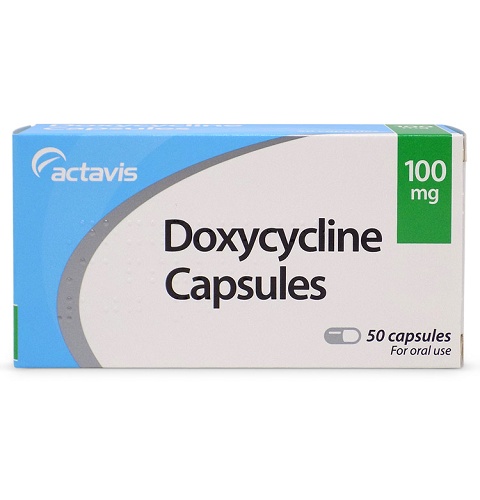
  • Packaging: U.S.-approved Doxycycline should be in tamper-evident packaging with clear labeling (manufacturer, NDC code, lot number, expiration date).
  • Tablet/Capule: Consistent shape and color for the brand/generic, uniform imprint or engraving identifying the product.
  • Label: Should match your prescription, include pharmacy and prescriber information, and a U.S. FDA-required patient information leaflet.
  • Security Features: Some manufacturers include QR codes or holograms. U.S. pharmacies may offer verification through their website or customer support.

Warning signs of counterfeit Doxycycline:

  • Unusually low price outside typical U.S. range ($4–$50 per course for generic)
  • Packaging in non-English or missing U.S. regulatory markings
  • No prescription required, or sellers offering bulk “discounts”
  • Misspellings, poor print quality, missing expiration/lot numbers

What Are Generics?

Generics are FDA-approved versions of Doxycycline containing the same active ingredient, dose, and bioequivalence as the brand name. They differ only in inactive ingredients (fillers, colorants). Generics are just as effective as brands, but allergy to an excipient (inactive ingredient) is possible—always check with your pharmacist if you have specific allergies.

When in doubt: Never take a product if you have concerns about authenticity—consult your pharmacist or provider.

Compatibility: Doxycycline With Other Medications and Products

Product/Drug Can It Be Combined? Potential Consequences
Oral contraceptives Yes, but caution Rarely reduces effectiveness; use backup contraception if concerned
Warfarin (blood thinner) Yes, with monitoring May increase anticoagulant effect; regular INR checks advised
Isotretinoin (acne medication) NO Risk of increased intracranial pressure
Penicillin antibiotics Yes, but may be less effective together Possible antagonistic action; use alternative combinations if possible
Calcium/magnesium/iron supplements NO (concurrent use) Reduced absorption of Doxycycline; separate by 2 hours
Statins Yes No significant interaction reported

This table is not exhaustive. Always inform your healthcare provider of all medications, supplements, and over-the-counter products you use.

Doxycycline Use in Special Patient Populations

Children

  • Not recommended for children under 8 years due to risk of permanent teeth discoloration and slowed bone growth, except in life-threatening cases (e.g., Rocky Mountain spotted fever).

Pregnancy and Breastfeeding

  • Pregnancy: Contraindicated, particularly after the first trimester, due to fetal risks.
  • Breastfeeding: Use only if benefits outweigh risks; Doxycycline is excreted in breast milk in small amounts.

Older Adults

  • No specific dose adjustment required, but monitor for increased risk of side effects, especially if on multiple medications.

Liver or Kidney Disease

  • Liver impairment: Use with caution; monitor for signs of toxicity.
  • Kidney impairment: Doxycycline is safer than older tetracyclines in renal dysfunction, but caution still advised.

Driving and Machinery

  • No significant impairment reported, but rare cases of dizziness may occur.

Fertility

  • No clear evidence of impact on fertility in humans.

Original vs. Generic Doxycycline: What’s the Difference?

Original (Brand Name) Doxycycline
Produced by the initial patent-holder, typically at a higher cost. Contains the same active ingredient and is FDA-approved for safety and efficacy. Examples: Vibramycin®.
Generic Doxycycline
FDA-approved copies with the same active ingredient, dose, and effectiveness. Cost is usually much lower. Inactive ingredients (excipients) may differ; rare risk of allergy or intolerance if sensitive to fillers.

In short: There is no clinical advantage of brand-name Doxycycline over generics for most patients. Generics save money and are widely covered by U.S. insurance.

What Should I Do If I Take Too Much Doxycycline?

  1. Stop taking Doxycycline immediately.
  2. Call emergency services (911) or the Poison Control Center (1-800-222-1222) in the United States.
  3. Share details of the amount and timing of ingestion with medical personnel.
  4. Do not induce vomiting unless instructed by a healthcare professional.
  5. Bring the medication packaging to the hospital or provide a photo if possible.

Symptoms of overdose may include severe nausea, vomiting, diarrhea, confusion, liver injury, or allergic reaction. There is no specific antidote; treatment is supportive.

What Should I Do If Doxycycline Does Not Work?

  • Contact your healthcare provider if symptoms persist or worsen after 72 hours of correct use.
  • Do not stop or switch antibiotics on your own—changing drugs without guidance can worsen resistance or delay recovery.
  • Your provider may order additional tests, consider alternative antibiotics, or investigate for non-bacterial causes.
  • Myth: All infections respond to Doxycycline. Reality: Some bacteria are resistant, and viral illnesses won’t improve with antibiotics.

Myth vs Reality: Common Misconceptions About Doxycycline

Myth:
Doxycycline works for all infections.
Reality:
It is only effective for certain bacterial infections and will not help with viral or fungal illnesses.
Myth:
Antibiotics can be stopped once you feel better.
Reality:
Stopping early risks incomplete treatment and bacterial resistance. Always finish the prescribed course.
Myth:
Doxycycline is safe for everyone.
Reality:
It’s contraindicated in pregnancy, young children, and some medical conditions—individual assessment is crucial.

Addressing the Emotional Side of Taking Antibiotics

If you’re worried about needing antibiotics or concerned about infection, you’re not alone. Many people experience anxiety around new medications, especially antibiotics like Doxycycline. It’s normal to have questions and concerns.

Remember: seeking help, asking questions, and completing your treatment is a sign of self-care. If you’re struggling with adherence, or feel overwhelmed, consider discussing your feelings with your healthcare provider or a support person. Your experience matters.

Frequently Asked Questions (FAQ): Doxycycline in the United States

Is Doxycycline available over the counter in the U.S.?
No, Doxycycline may only be dispensed with a prescription from a licensed healthcare provider.
How quickly does Doxycycline work?
Most users notice improvement in symptoms within 1–3 days, but you must complete the full course even if you feel better.
Can I drink alcohol while taking Doxycycline?
Light to moderate alcohol is unlikely to cause issues, but excessive drinking may increase side effects and stress the liver.
Are there any foods I should avoid?
Yes—avoid taking Doxycycline alongside dairy products, antacids, or supplements with iron, calcium, or magnesium.
Is Doxycycline safe in pregnancy?
No, it is contraindicated due to risks to the fetus, especially after the first trimester.
What if I miss a dose?
Take it as soon as you remember, unless it’s almost time for your next dose. Do not double up doses; call your provider for advice if unsure.
Can I use Doxycycline for viral infections or COVID-19?
No. Doxycycline is not effective against viruses, including COVID-19, and should not be used unless prescribed for a proven bacterial infection.
Are generics as good as brand-name Doxycycline?
Yes. FDA-approved generics are equivalent in effectiveness, dose, and quality.

References and Sources

About the Author

About the Author: doctor is a clinical educator and infectious disease specialist who:

  • Trained 132 medical residents and pharmacy students
  • Serves as clinical faculty at a recognized medical university in the United States
  • Authored 7 textbook chapters on antibiotic therapy
  • Provides continuing education to 1,420 healthcare professionals annually
  • Recognized as “Excellence in Infectious Diseases Education” awardee in the United States in 2025