Shopping cart

Subtotal  0

View cartCheckout

Subscribe to out newsletter today to receive latest news administrate cost effective for tactical data.

Let’s Stay In Touch

Buy Antabuse in Online Pharmacy for United States Customers

  • Home
  • Buy Antabuse in Online Pharmacy for United States Customers
  • Home/
  • Buy Antabuse in Online Pharmacy for United States Customers
Buy Antabuse in Online Pharmacy for United States Customers
This article is for informational purposes only. Medication use is only possible after consultation with a doctor. Self-medication with Antabuse (Disulfiram) or any other prescription drug is dangerous and may cause serious harm. Always seek medical advice from a qualified healthcare provider in the United States before starting, stopping, or changing any medication.

Is Antabuse (Disulfiram) available without a prescription in the United States?

No, Antabuse (Disulfiram) is a prescription-only medication in the United States. It cannot be legally obtained without a valid prescription from a licensed healthcare provider. Purchasing or using Antabuse without a prescription is unsafe and may be illegal.

Key Takeaways: What You Need to Know About Antabuse in the United States

  • Antabuse (Disulfiram) is used for the treatment of alcohol dependence and requires a valid prescription in the United States.
  • The medication is most suitable for adults who are motivated to remain abstinent from alcohol, often as part of a comprehensive treatment program.
  • Results are typically seen within hours to days after starting therapy, but its effectiveness depends on strict avoidance of alcohol in all forms.
  • The most important safety consideration is the risk of a severe reaction if alcohol is consumed while taking Antabuse—this can be life-threatening.
  • Antabuse does not cure alcohol dependence but helps deter drinking by causing unpleasant effects when alcohol is ingested.
  • Medical advice should be sought immediately if you experience symptoms like chest pain, breathing difficulties, or confusion while on Antabuse, or if you have liver or heart conditions.

How Does Antabuse (Disulfiram) Work in Treating Alcohol Dependence?

Antabuse’s active ingredient, Disulfiram, is a well-established pharmacologic agent for the management of alcohol dependence. Its principal mechanism involves irreversible inhibition of the hepatic enzyme aldehyde dehydrogenase (ALDH). Under normal circumstances, ALDH catalyzes the conversion of acetaldehyde—a toxic metabolite—into the less harmful acetic acid during alcohol metabolism. When Disulfiram is present, ALDH activity is blocked, causing a rapid buildup of acetaldehyde in the blood after any alcohol consumption.

This accumulation results in an intense Disulfiram–ethanol reaction, characterized by flushing, nausea, vomiting, tachycardia (fast heart rate), hypotension (low blood pressure), headache, and sometimes respiratory difficulty or chest pain. The onset of these symptoms typically occurs within 10–30 minutes of alcohol intake and may last for several hours depending on the alcohol dose and individual sensitivity.

Metaphorically, think of Disulfiram as a “roadblock” in your body’s alcohol-processing pathway: when you drink, the roadblock causes toxic traffic (acetaldehyde) to pile up, leading to immediate and very uncomfortable consequences. Antabuse does not reduce craving for alcohol nor does it address underlying psychological triggers, but it creates a strong negative association with drinking.

Effectiveness depends entirely on the presence of alcohol as a trigger—for the deterrent effect to occur, the individual must ingest alcohol while taking Disulfiram. Without alcohol exposure, the medication remains pharmacologically inactive.

Recent clinical data, including a 2024 systematic review of randomized controlled trials, affirm that Disulfiram’s efficacy is greatest when used in a structured treatment setting with close supervision and psychosocial support (PubMed, FDA).

EXPERT COMMENTARY: Why Patients’ Expectations Often Differ From Reality with Antabuse

In my experience, a significant misconception is that Antabuse will “take away” the desire to drink or fix the underlying causes of alcohol use disorder. Many patients expect to feel something different once they start the medication or hope it will directly reduce cravings. In reality, Antabuse serves as an external deterrent—it’s most effective when individuals are motivated to stop drinking and use the medication as a psychological safety net. A common clinical challenge is the temptation for patients to “test” whether the reaction will occur, or to underestimate the severity of consequences if alcohol is consumed. For best results, patients should understand that Antabuse is not a cure, but a helpful tool within a broader recovery plan. It’s also vital for patients to inform all healthcare providers—including dentists and pharmacists—about their Antabuse use, as many over-the-counter and prescription products contain hidden alcohol.

What Is the Typical Dosage and How Should Antabuse Be Taken?

Initial dosing: In the United States, the recommended starting dose of Antabuse is typically 500 mg once daily for 1–2 weeks, taken orally in the morning. After the initial period, the maintenance dose is usually reduced to 250 mg daily. Some patients may require as little as 125 mg or as much as 500 mg daily for maintenance, depending on individual response and tolerability (FDA).

  • Maximum daily dose: 500 mg (do not exceed without medical supervision).
  • Tablet splitting: Antabuse tablets are scored and may be split to achieve the desired dose if prescribed.
  • Timing: The medication should be taken at the same time each day, preferably in the morning. If drowsiness occurs, the dose may be taken at night.
  • Elderly patients: Lower starting doses and slower titration are generally recommended due to increased risk of adverse effects.
  • Hepatic or renal impairment: Use with caution; dose adjustments may be needed. Antabuse is contraindicated in severe hepatic dysfunction.

The deterrent effect begins as soon as the medication reaches adequate levels in the body—typically within 12–24 hours after the first dose. Its effect persists for up to 1–2 weeks after stopping due to slow elimination of Disulfiram and its metabolites.

Food, Alcohol, and Lifestyle: What Should You Avoid With Antabuse?

Alcohol (strict prohibition): Any alcohol intake, even in small amounts (as little as 7–15 mL of ethanol), can trigger a severe Disulfiram–ethanol reaction. This includes not only alcoholic beverages but also alcohol-containing foods (e.g., sauces, extracts), cosmetics, aftershave, and certain medications (cough syrups, mouthwash, cold remedies).

Food: Normal meals do not significantly impact Disulfiram absorption. High-fat meals have not been shown to delay onset or reduce efficacy; however, always take as directed by your healthcare provider.

Grapefruit juice: There is no current evidence of a clinically significant interaction between Disulfiram and grapefruit juice.

  • Lifestyle warning: Avoid activities requiring full alertness, such as driving or operating machinery, until you know how Antabuse affects you. Drowsiness or fatigue are possible early in treatment.

Key point: Read all product labels and consult your doctor or pharmacist about any potential alcohol sources in your diet, medications, or personal care products.

Compatibility Check: Can You Take Antabuse With Other Medications?

Type of Product Can it be combined? Consequences
Aspirin Yes No major interactions
Warfarin Use with caution May increase warfarin levels; monitor INR closely
Metronidazole STRICTLY NO Risk of acute psychosis
Nitroglycerin STRICTLY NO Severe hypotension, possible collapse
Paracetamol (Acetaminophen) Yes No clinically relevant interaction
Alcohol-containing products STRICTLY NO Risk of severe reaction

Who Should Not Take Antabuse? Contraindications and Red Flags

  • Absolute contraindications:
    • Current or recent (within 12 hours) alcohol ingestion
    • Severe liver disease (cirrhosis, hepatic failure)
    • History of psychosis
    • Severe cardiac disease (coronary occlusion, heart failure)
    • Pregnancy and breastfeeding
    • Hypersensitivity to Disulfiram or excipients
    • Concomitant use with metronidazole or paraldehyde (risk of psychotic reactions)
  • Relative contraindications (use with caution):
    • Mild to moderate hepatic or renal impairment
    • Advanced age
    • Diabetes (risk of hypoglycemia increases with vomiting)
    • Respiratory diseases (due to possible respiratory depression in severe reactions)
    • Individuals with a history of suicide attempts or severe depression

Antabuse should only be started after a minimum 12-hour period of abstinence from alcohol. In patients with a recent myocardial infarction (heart attack), Antabuse initiation should be deferred until complete stabilization and with cardiology consultation.

Why? Patients with severe liver or cardiac disease are at increased risk of fatal complications from a Disulfiram–ethanol reaction, including arrhythmias, acute heart failure, or hepatic decompensation.

What Side Effects Are Most Common With Antabuse?

Side effects with Antabuse can be categorized according to frequency, as per the World Health Organization classification.

  • Very common (>1/10):
    • Drowsiness
    • Metallic or garlic-like taste
    • Headache
  • Common (1/10–1/100):
    • Skin rash, acne, allergic dermatitis
    • Impotence or reduced libido
    • Peripheral neuropathy (tingling, numbness in limbs)
    • Fatigue
    • Liver enzyme elevations
  • Rare (1/1,000–1/10,000):
    • Psychosis
    • Optic neuritis
    • Hepatotoxicity (liver injury)
    • Severe allergic reactions (anaphylaxis)
  • Very rare (<1/10,000):
    • Sudden cardiac events
    • Severe hepatitis or fulminant liver failure
    • Peripheral neuritis
    • Severe skin reactions (Stevens-Johnson syndrome)

If side effects occur: Mild symptoms (e.g., drowsiness, metallic taste) may resolve with dose reduction. Severe symptoms (jaundice, confusion, difficulty breathing, skin blistering) require immediate discontinuation and urgent medical attention.

The most serious risks—hepatotoxicity and severe Disulfiram–ethanol reactions—are rare but potentially fatal. Liver function tests are recommended before starting therapy and periodically thereafter.

Common Pitfalls: Mistakes Patients Make When Using Antabuse

  • Not disclosing all alcohol sources:
    Many patients overlook hidden alcohol in mouthwash, cough syrups, or cooking extracts. Even small exposures can trigger dangerous reactions. Always read labels and ask your pharmacist if unsure.
  • Skipping doses or irregular use:
    Inconsistent intake reduces effectiveness and increases the risk of accidental reactions if alcohol is consumed during a medication break. Set daily reminders and consider pillboxes for adherence.
  • Stopping medication abruptly before a high-risk event:
    Some patients stop taking Antabuse ahead of planned social events, thinking it will “clear out” quickly. The Disulfiram effect persists for up to 14 days—do not assume you can safely drink soon after stopping.
  • Ignoring early warning symptoms:
    Mild flushing, chest tightness, or dizziness after product use may signal alcohol exposure. Do not ignore these signs; seek advice promptly to prevent severe reactions.
  • Not informing healthcare professionals:
    Failing to notify dentists, surgeons, or pharmacists about Antabuse use may result in unintentional alcohol exposure through medications or procedures.
  • Believing Antabuse alone is enough:
    Relying solely on medication without therapy or support often leads to relapse. Comprehensive care—including counseling and social support—is crucial for long-term success.

Pharmacokinetics: How Is Antabuse Processed in the Body?

After oral administration, Disulfiram is rapidly absorbed from the gastrointestinal tract. It undergoes extensive hepatic first-pass metabolism, forming several active metabolites that inhibit ALDH.

  • Metabolism: Primarily in the liver, via reduction and conjugation.
  • Elimination: Metabolites are excreted mainly in urine, with some in feces and breath.
  • Half-life (T1/2): The plasma half-life of Disulfiram is approximately 7–12 hours, but the biological effect (ALDH inhibition) can last up to 1–2 weeks due to irreversible enzyme binding.

Impaired liver function may lead to higher levels of the drug and an increased risk of adverse effects.

Who Should Use Antabuse With Extra Caution?

  • Older adults: Increased sensitivity to side effects, especially confusion or drowsiness.
  • Liver and kidney disease: Risk of drug accumulation and toxicity; lower doses or alternative treatments may be needed.
  • History of psychiatric illness: Rare cases of psychosis have been reported; monitoring is essential.
  • Pregnancy and family planning: Antabuse should not be used during pregnancy or breastfeeding. Women of childbearing age should use effective contraception.
  • Driving and machinery: Until you know how Disulfiram affects you, avoid driving or operating heavy equipment due to possible drowsiness and slowed reaction times.

How Does Antabuse Compare to Other Treatments for Alcohol Dependence?

Antabuse is not the only prescription medication for alcohol dependence. The two main alternatives approved in the United States are Naltrexone and Acamprosate. The following table summarizes key comparative features as of 2026:

Medication Mechanism Onset Effect Duration Common Side Effects Price/month (USD, 2026)
Antabuse (Disulfiram) ALDH inhibitor (deterrent) 12–24 hours Up to 2 weeks after last dose Metallic taste, drowsiness, rash $60–$120
Naltrexone Opioid receptor antagonist (reduces reward) 1–2 hours (oral); depot within 24 hours 24 hours (oral); 4 weeks (depot) Nausea, headache, fatigue $120–$180 (oral); $1,000+ (depot)
Acamprosate Glutamate modulator (restores balance) 1–2 hours Continuous (twice daily dosing) Diarrhea, flatulence, nausea $70–$140

Bottom line: Antabuse is unique in its deterrent approach; it’s best for those highly motivated to abstain and with strong support systems. Naltrexone and Acamprosate work differently—reducing cravings and alcohol’s pleasurable effects—but require adherence and regular use. Cost, insurance coverage, and side effect profiles also differ.

Antabuse: Technical Characteristics and Dosing Reference Table

Parameter Value
Active ingredient Disulfiram
Available strengths 250 mg, 500 mg tablets
Usual starting dose 500 mg daily for 1–2 weeks
Typical maintenance dose 125–500 mg daily
Time to effect 12–24 hours
Effect duration after last dose 1–2 weeks
Storage Room temperature, keep dry and away from light
Packaging Blister packs or pharmacy bottles

Step-by-Step: How to Get Antabuse Legally and Safely in the United States

  1. Consultation: Make an appointment with a primary care doctor, addiction psychiatrist, or qualified addiction medicine specialist. Telemedicine consultations are increasingly available in most states.
  2. Assessment: Your doctor will evaluate your medical history, current medications, alcohol use patterns, motivation level, and screen for contraindications (e.g., liver or heart disease).
  3. Prescription: If Antabuse is appropriate, your doctor will issue a prescription. This may be sent directly to a pharmacy or provided as a written/electronic script.
  4. Pharmacy Fulfillment: Bring your prescription to a licensed pharmacy (chain or independent). Antabuse is typically in stock but may be ordered if unavailable. Pharmacist counseling on use, side effects, and precautions is required by law.
  5. Follow-Up: Regular follow-up appointments are important to monitor for side effects, assess progress, and adjust the treatment plan. Many states now allow for ongoing telehealth review.

Doctor Answers: Clinical Questions Patients Ask Before and During Antabuse Therapy

  • How do I know if Antabuse is working for me?
    As your doctor, I don’t expect you to “feel” the medication working—its purpose is to deter you from drinking by causing unpleasant effects if you consume alcohol. The true measure of success is your ability to remain abstinent and feel supported in your recovery. If you have doubts, let’s discuss them openly during our follow-ups.
  • Can I ever drink alcohol again while on Antabuse?
    No, drinking alcohol while on Antabuse can trigger severe and potentially life-threatening reactions. It is crucial to avoid all forms of alcohol in foods, medicines, and personal care products as well.
  • What happens if I miss a dose?
    If you miss a dose, take it as soon as you remember, unless it’s almost time for your next dose. Do not double up. Missing multiple doses reduces the medication’s effectiveness, so please let me know if adherence is an issue so we can support you.
  • Is it safe to stop Antabuse if I feel better?
    Stopping the medication abruptly is not recommended without medical advice. The deterrent effect lingers for up to 2 weeks, so alcohol exposure remains dangerous. We’ll plan any changes to your regimen together and ensure you have the right supports in place.
  • Do I have to take Antabuse forever?
    Most patients use Antabuse for months to a year, but the duration depends on your individual needs and treatment goals. We will regularly reassess your progress and discuss when/if it makes sense to stop or switch therapies.
  • How do we monitor progress?
    We’ll use a combination of self-reports, lab tests (like liver function), and sometimes contact with your support system. Ongoing counseling and therapy are also key parts of measuring your success.
  • What if I experience side effects?
    Contact me promptly for any persistent or severe symptoms, especially jaundice, confusion, severe skin rashes, or breathing difficulties. Mild symptoms may improve with dose adjustments, but your safety is my top priority.

Country-Specific Guide: How to Identify Safe Online Pharmacies for Antabuse in the United States

Buying prescription medications online can be risky if you use unverified sources. In the United States, only pharmacies certified by the National Association of Boards of Pharmacy (NABP) and displaying the VIPPS (Verified Internet Pharmacy Practice Sites) or “.pharmacy” seal should be trusted (NABP).

  • Check for proper licensing: A legitimate online pharmacy will require a U.S. prescription, list contact information, and offer pharmacist consultation.
  • Warning signs of unsafe sellers:
    • Offers to sell Antabuse without a prescription
    • Prices far below typical market rates
    • Lack of a physical address or pharmacy license number
    • Ships from outside the U.S. or does not comply with U.S. regulations
    • Poor-quality website, missing privacy policies, or no pharmacist available for questions
  • Consumer protection: Only purchase medications from pharmacies listed in the U.S. pharmacy verification databases. Counterfeit products are a significant risk with unregulated sellers and may cause serious harm.

How to Spot Counterfeit Antabuse and Understand Generics

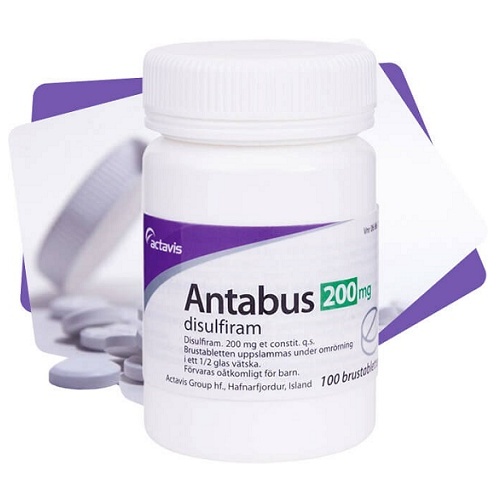
Genuine Antabuse (Disulfiram) tablets in the United States are typically supplied as white, round, scored tablets marked with the dosage (250 mg or 500 mg) and the manufacturer’s logo. Packaging should display:

  • Clear labeling with drug name, dose, and lot number
  • Manufacturer’s name and U.S. contact information
  • Expiration date
  • Pharmacy dispensing label (if filled at a pharmacy)
  • Sometimes a QR code or security hologram (varies by manufacturer)

Unusually low prices, misspelled labels, or poor-quality packaging are common warning signs of counterfeit or imported non-equivalent products. If you suspect your medication is not genuine, consult your pharmacist or contact the manufacturer directly.

What About Generics?

Disulfiram is now off-patent, and FDA-approved generics are considered clinically equivalent. Generic products may use different inactive ingredients (excipients), which rarely—but occasionally—can cause allergic reactions. If you have known allergies to certain fillers or dyes, discuss options with your pharmacist.

Advantages of generics: Lower cost, equivalent efficacy if sourced from a reputable U.S. pharmacy. The main risk comes from purchasing generics through unauthorized or overseas websites, which may not meet FDA quality standards.

What To Do If You Suspect an Overdose of Antabuse

  1. Stop taking Antabuse immediately.
  2. Call 911 or your local emergency services right away.
  3. Tell the emergency responder or ER doctor exactly how much Disulfiram was taken and when.
  4. Do not induce vomiting unless instructed by a healthcare professional.
  5. Bring the medication bottle or packaging to the hospital for reference.

Symptoms of overdose may include drowsiness, confusion, unsteady gait, changes in consciousness, or seizures. There is no specific antidote—supportive care and symptom management are provided in a hospital setting.

Quality Check: How Should Antabuse Look in the United States?

  • Color: White
  • Shape: Round, occasionally oval depending on manufacturer
  • Scoring: Tablets are scored for splitting
  • Markings: Dose (e.g., 250 or 500), manufacturer logo
  • Packaging: Sealed blister packs or pharmacy-labeled bottles; outer box may bear a QR code, hologram, or FDA-compliant labeling
  • Authenticity: Packaging should not have spelling errors, blurred print, or generic labeling without manufacturer details

If in doubt, speak to your pharmacist before use.

Myth vs Reality: What Should You Really Expect From Antabuse?

  • Myth: “Antabuse will cure my alcoholism.”

    Reality: Antabuse is a deterrent tool and only works if taken consistently and as part of ongoing treatment; it does not reduce cravings or address psychological drivers.
  • Myth: “If I stop taking Antabuse, I can drink safely right away.”

    Reality: The deterrent effect may persist for up to 2 weeks after the last dose—alcohol exposure remains dangerous.
  • Myth: “All generics are inferior.”

    Reality: FDA-approved generics meet the same quality, efficacy, and safety standards as branded Antabuse.

Psychological Support: You Are Not Alone in This Journey

Alcohol dependence is common and treatable. Many people benefit from combining medication like Antabuse with therapy and support groups. Discussing your struggles with friends, family, or a mental health professional is an important part of recovery—there is no shame in seeking help.

Professional Clinical Assessment: When Is Antabuse the Right Choice?

In my practice, Antabuse is most beneficial for adults who are highly motivated to remain abstinent and who understand the consequences of alcohol consumption while on the medication. It works best when part of a structured recovery program that includes counseling and family or peer support. Patients with a stable home environment and good insight into their condition are typically the best candidates. However, for those with a history of severe liver or cardiac disease, cognitive impairment, or high relapse risk without supervision, the risks may outweigh the benefits and alternative treatments should be considered. I always counsel patients that while Antabuse can be a powerful deterrent, it is not a standalone solution; readiness to change and ongoing therapy are necessary for lasting results. In cases of persistent side effects, adherence challenges, or evolving clinical status, I routinely reassess whether to continue, adjust, or transition to another therapy such as naltrexone or acamprosate.

Frequently Asked Questions About Antabuse in the United States

How effective is Antabuse for alcohol dependence?
Clinical trials and reviews show that Antabuse is most effective in highly motivated patients when used alongside behavioral therapy. It does not reduce the desire to drink but helps prevent impulsive alcohol use by causing unpleasant reactions.
Do I need a prescription for Antabuse in the United States?
Yes, Antabuse is available only by prescription. It is illegal and unsafe to purchase or use Antabuse without a valid U.S. prescription.
How long does it take for Antabuse to start working?
Antabuse begins working within 12–24 hours after the first dose. The deterrent effect persists for up to 1–2 weeks after the last dose.
Can I take Antabuse with other medications?
Some drug interactions are significant (e.g., metronidazole and nitroglycerin should be avoided). Always inform your doctor and pharmacist of all medications you use to avoid dangerous interactions.
What happens if I accidentally consume alcohol while on Antabuse?
You may experience a severe reaction, including flushing, nausea, vomiting, rapid heartbeat, and low blood pressure. This can be life-threatening—seek immediate medical help.
Is Antabuse covered by insurance?
Most insurance plans and Medicaid cover Antabuse and its generic equivalents for alcohol dependence. Check with your pharmacy and insurer for individual copay amounts.
How much does Antabuse cost in the United States?
The average retail price ranges from $60–$120 per month for generics; brand-name versions may cost more. Prices can vary by pharmacy and location.
Can I buy Antabuse online?
Yes, but only from licensed, verified U.S. pharmacies that require a prescription. Avoid international or unverified sellers, as they may offer counterfeit or unsafe products.
How long do I need to stay on Antabuse?
Duration varies—many patients use Antabuse for several months to a year. The treatment plan should be customized with your healthcare provider.
What should I do if I develop yellowing of the skin or eyes while on Antabuse?
Yellowing may indicate liver injury, a rare but serious side effect. Stop taking Antabuse and seek immediate medical attention.

References

  • U.S. Food and Drug Administration (FDA) – Disulfiram Prescribing Information. Accessed 2026. https://www.fda.gov/
  • National Institute on Alcohol Abuse and Alcoholism (NIAAA) – Alcohol Treatment Navigator. Accessed 2026. https://www.niaaa.nih.gov/
  • PubMed – Recent Clinical Trials on Disulfiram for Alcoholism. Accessed 2026. https://pubmed.ncbi.nlm.nih.gov/
  • Mayo Clinic – Disulfiram (Oral Route) Description and Brand Names. Accessed 2026. https://www.mayoclinic.org/
  • National Association of Boards of Pharmacy (NABP) – Online Pharmacy Verification. Accessed 2026. https://nabp.pharmacy/
  • Substance Abuse and Mental Health Services Administration (SAMHSA) – Medication-Assisted Treatment for Alcohol Use Disorder. Accessed 2026. https://www.samhsa.gov/